


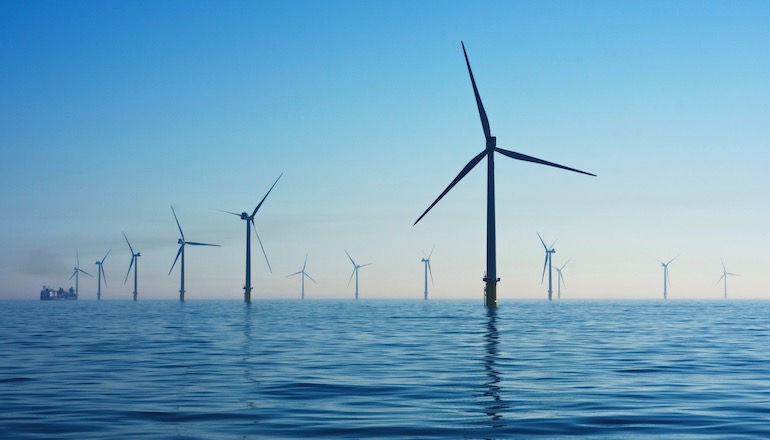
The construction of offshore wind farms could introduce over 770,000 job opportunities in South Korea, according to a new Global Wind Energy Council (GWEC) report.
In pursuit of South Korea’s ambitious 14.3GW offshore wind installation targets by 2030, projects could contribute 87 trillion won (€0.06 trillion) worth of investments into the economy, a second GWEC report, published at the same time, found.
The reports concluded that offshore wind development supports local economic growth, especially in strategic coastal cities such as Incheon, Gunsan and Mokpo.
However, so far only 150MW of its 14.3GW offshore wind targets have been delivered, with slow permitting holding offshore wind back.
To realise the economic benefits set out in this report, streamlining of currently lengthy permitting processes, which typically takes up to 10 years, must take place, GWEC said.
GWEC has released two reports serving as a call to action, urging South Korean policymakers to address key concerns such as permitting and to facilitate the nation’s progress in their energy transition journey.
These reports are action focused – offering guidance on how to build support for offshore wind in local communities and with the fisheries industry, GWEC said.
They showcase successful international practices and recommend the urgent passing and implementation of the Offshore Wind Power Promotion Act.
This legislation is expected to streamline permitting processes to ensure the smooth rollout of offshore wind development in South Korea.
Rebecca Williams, global head of offshore wind at GWEC, said: “Offshore wind is a good news story for South Korea.
“Our new report shows that 14.3GW of offshore wind can create a huge energy and economic opportunity, revitalising coastal communities across the country, and playing a role in halting post-industrial decline.
“Today we are setting out a blueprint to unlock the pathway to offshore wind growth in a way which benefits local communities and stakeholders.
“Local consensus through education, engagement and trust-building is a crucial first step to rolling out policies for offshore wind development.”
The report How Offshore Wind Development Can Support Coastal Regeneration highlights the economic benefits local cities could derive from offshore wind.
The report recommends that, working closely with industry, local and national governments should put in place a holistic plan to seize the benefits of offshore wind.
Local governments can play a key role in implementing a strategic approach to engage key stakeholders, including citizens, early in the offshore wind development process, GWEC said.
Empowering the local workforce and strengthening international networks can also support offshore wind development.
Additionally, the report encourages the national government to explore increasing the number of Free Economic Zones, develop standardised community engagement guidelines, and continue to provide incentivization mechanisms to facilitate the growth of the offshore wind industry and promote regional economic development.
GWEC today is publishing a roadmap for enhanced collaboration and engagement with the fishing industry.
This report Exploring Coexistence Opportunities for Offshore Wind and Fisheries in South Korea maps out practical steps that can be taken by industry, local and national governments to enable offshore wind development to cohabit with fishing activities in a mutually beneficial way.