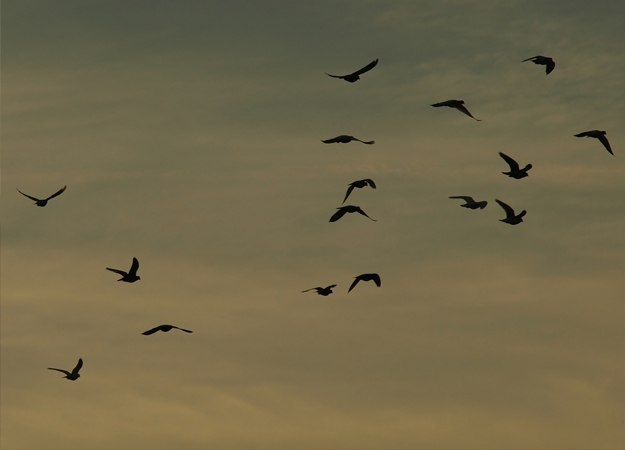
Seabirds avoid offshore wind turbines much more than previously thought, according to the findings of a new study into collision risk.
The Carbon Trust Offshore Renewables Joint Industry Programme (ORJIP) study found only six collisions with turbines from analysis of over 600,000 videos taken over two years of fieldwork at Vattenfall’s 300MW Thanet offshore wind farm off the UK coast.
It concluded that collision risk of seabirds was less than half of what would be expected based on previous expectations.
Birds were observed to change their flight path to avoid the turbines, the study found.
The Bird Collision Avoidance Study was commissioned by 11 leading offshore wind developers, The Crown Estate, The Crown Estate Scotland and Marine Scotland, and was supported with funding from the UK government.
It was also supported by ornithologists and environmental advisors, such as Natural England and RSPB.
The conclusions from the research will be used to better inform wind farm design and consent decisions for the next generation of wind farms off the UK.
Carbon Trust offshore wind director Jan Matthiesen said: “Today marks the result of four years of collaborative work from a range of stakeholders, all focused on bridging the gap between the theoretical and real understanding of how birds behave around an operational offshore wind farm.”
RSPB senior conservation scientist Aly McCluskie said: “The ORJIP bird collision project has collected an unprecedented amount of data on the behaviour of seabirds in and around an offshore wind farm.
“These data and the project report form an excellent basis for future discussion and debate. The project has been a collaboration involving industry, government agencies and seabird specialists and as such is exactly the type of project we need far more of if we are to realise our ambitions for offshore renewable deployment at scale and in harmony with nature.”
Image: sxc
Seabirds take offshore flight
 By EBS