


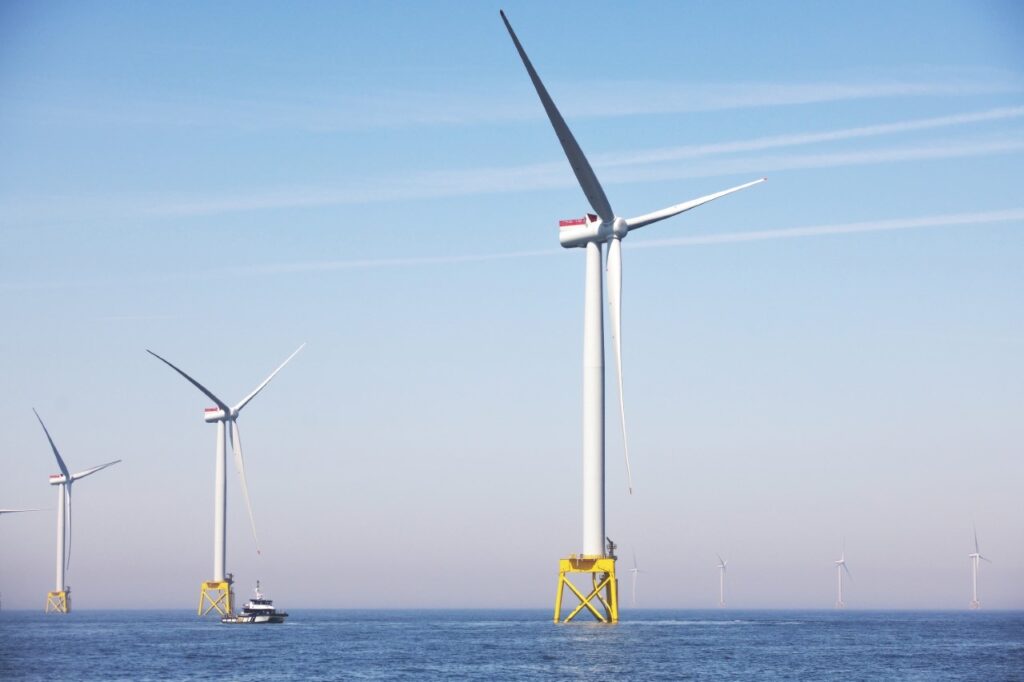
UK structural and geotechnical engineering specialists Wood Thilsted will design foundations for more than 200 turbines at ScottishPower Renewables’ East Anglia Hub.
The firm will design the foundations for 14MW-plus Siemens Gamesa turbines that will stand in waters more than 50m deep in the East Anglia Hub, off the Suffolk coast.
The scope for the Wood Thilsted team includes monopile and transition piece design, detailed geotechnical interpretation and structural design across all three sites of the Hub.
The turbines on East Anglia ONE North, TWO and THREE that form the 3.1GW East Anglia Hub will be among the world’s most powerful and productive.
They are expected to generate more than 7.5% of the UK’s 40GW target for offshore wind power by 2030 and play a key part of the UK’s race to net zero, a green recovery post-Covid and action on climate change.
East Anglia Hub will build on the success of SPR’s flagship East Anglia ONE project, now more than a year into its operations.
East Anglia THREE has consent and results of the planning process for East Anglia ONE North and TWO are expected by January 2022.
East Anglia Hub project director Ross Ovens said: “Wood Thilsted’s expertise is vital to us being able to deliver the safest and most efficient foundations for this hugely significant project.
“Design has a major bearing on costs, safety and installability so bringing in an international team that has the right level of experience – in this case with the latest generation turbines – is extremely beneficial to the future success of the East Anglia Hub.”
Wood Thilsted director Ed Crammond added: “We are working very closely with ScottishPower Renewables, who share our strong belief in the importance of a multi-disciplinary design approach to continually improve offshore wind’s LCOE (levelised cost of energy).
“Together with parent company, Iberdrola, they are setting a very good example for the industry.”
The partnership of SPR and Wood Thilsted pivots on a shared ethos to bring down the levelised cost of energy (LCOE) by foundation design improvements with a keen focus on installability and safety.