


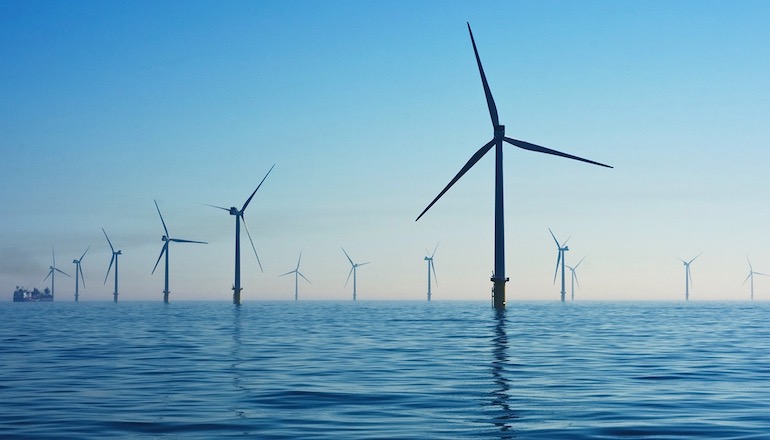
The UK generated more than 20% of the world’s 48GW of operational offshore wind capacity in 2021, according to a report by the Crown Estate.
The Offshore Wind Report, which provides an in-depth insight into the progress of the UK’s offshore wind sector during 2021, also highlighted that global capacity of fully commissioned sites reached 11.3GW at the end of the year, an increase of 8% on the previous year.
Meanwhile, the average size of UK projects under construction reached 1GW, which is more than 10 times bigger than the early projects awarded rights under offshore wind Leasing Round 1, held 20 years ago, the report identified.
It also revealed that energy generated from UK offshore wind in 2021 can supply the needs of 33% (9.3 million) of UK homes, up from 4% in 2011.
Key milestones for the UK offshore sector in the past year include the start of operations for the 50MW Kincardine project, making it the world’s largest floating operational offshore wind farm, and the start of electricity generation at the 1.3GW Hornsea 2, which is currently the world’s largest wind farm under construction.
Elsewhere, the 1.4GW Sofia and the 1.2GW Dogger Bank C projects achieved Financial Investment Decisions and were granted leases in the first quarter of 2022.
In 2021, 300MW of new floating wind projects were given the green light to progress to the next stage of assessment, while 7GW of new projects were offered seabed leases in the Crown Estate’s Offshore Wind Leasing Round 4.
Technological developments, collaboration with communities, a focus on skills and diversity, improved data collection, and a commitment to accelerating development whilst maintaining and rebuilding a healthy natural environment, have all contributed to this progress, and reveal the shared commitment by the sector to grow the sector in a responsible and sustainable way, the Crown Estate said.
The report shows a continued commitment by industry to sustaining and attracting a diverse and inclusive workforce, through apprenticeship programmes, and looking at how recruitment processes can remove barriers, the seabed authority added.
Analysis also highlights a number of substantial improvements in areas across the industry, including a reduction in the percentage of global ‘High Potential Incidents’ attributed to the UK, to 49%, compared to 67% in 2019.
The Crown Estate managing director for marine Huub den Rooijen said: “The past year has seen a series of significant shifts in the wider context of offshore renewables in the UK, from cost of living concerns, to a heightened focus on energy security, through to understanding the pace and scale of the change needed to achieve the UK’s growing Net Zero ambitions.
“This year’s report paints a picture of a sector committed to meeting these challenges in responsible and innovative ways, and which has laid solid foundations for the continued expansion, and long-term success, of the offshore wind industry within the UK.
“We look forward to continuing to work closely with all our customers and stakeholders, and in particular thank those who have provided content for this report.”