


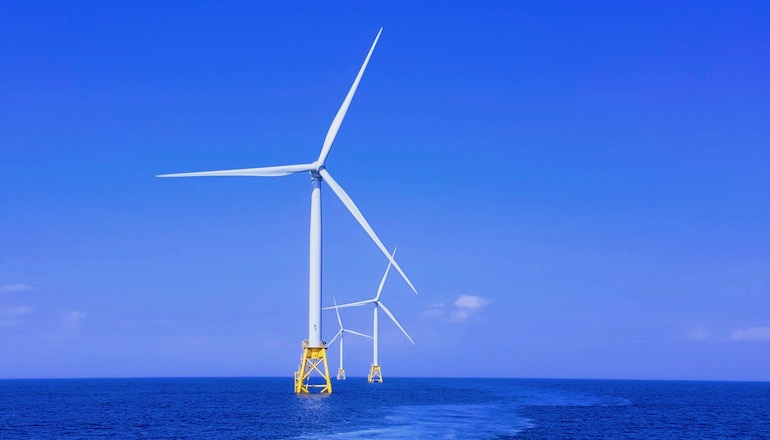
Vineyard Wind has submitted an environmental and fisheries mitigation plan for its 804MW Park City Wind project to the Connecticut Department of Energy and Environmental Protection (DEEP).
The plan is a “starting point” based on the offshore wind project bid Vineyard submitted in response to the department’s request for proposals notice issued in August 2018.
The environmental and fisheries mitigation plan will continue to be developed through the construction and operation plan for Park City Wind, said Vineyard.
The developer has detailed an approach to “avoiding, minimising, restoring, and mitigating” potential environmental impacts of the offshore wind project by “careful siting and collaborative development”.
Vineyard said: “Careful siting entails developing offshore wind projects so they avoid potential impacts, to the greatest extent possible, from the outset.”
Referring to collaborative development the developer said it is working with a range of stakeholders to “refine layouts and design elements to further avoid impacts and/or minimise the risk of impacts when they are unavoidable”.
Collaborative development also entails working with stakeholders to “craft solutions” that mitigate and/or offset a project’s likely potential impacts, Vineyard added.
In its environmental and fisheries mitigation plan the Massachusetts-based developer stated it is “committed to working with environmental and fisheries stakeholders, supporting research, and taking steps to implement appropriate mitigation measures to offset project-related impacts that cannot be avoided.”
Measures include periodically assessing information gathered through pre-, during, and post-construction surveys and other means to determine if adjustments to avoidance, minimisation and mitigation measures are needed, said the developer.
Vineyard Wind will rely on research, data, and stakeholder feedback for wildlife and ecological resources and commercial fisheries to inform and guide decisions made throughout the life of the project.