


Vattenfall has recommenced construction of Sweden’s largest onshore wind project, the 353MW Blakliden Fabodberget, after downing tools over the winter season.
The wind farm, consisting of 84 4.2MW Vestas turbines, will be completed in 2022. Construction began in 2018.
Construction of the project has to halt every winter for about five months due to cold weather and deep snow.
Vattenfall has also agreed with local Sami villages to break off work for the winter to allow for reindeer herding in the area.
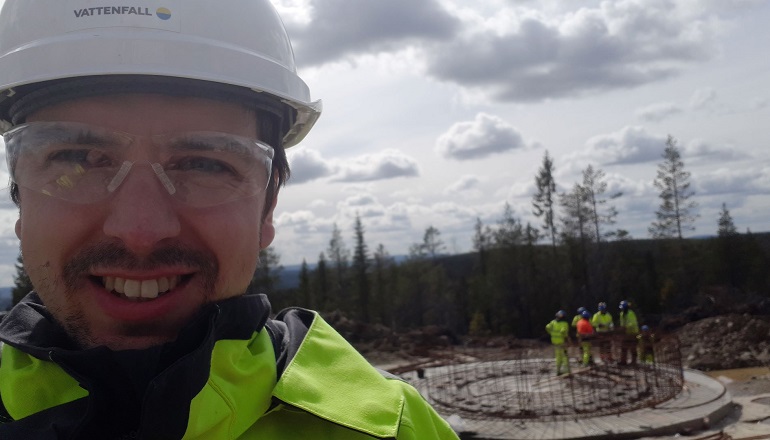
Vattenfall’s Kristoffer Arnqvist (pictured), who works in project delivery, said: “During the winter break, all our time is devoted to planning for the next construction season.
“The limited construction time we have makes every season incredibly intensive, and everything has to be planned in the tiniest detail for it all to work.
“This season we’re going to lay 107km of cable, complete 84 crane sites and foundations and 70km of road in the project area.”
In 2021 the turbines will be delivered.
Arnqvist added: “The Covid-19 outbreak completely changed conditions for the project. We had to change our plans quickly to ensure that construction could continue, while at the same time we have people’s safety and health as our highest priority.”
On a typical day between 70 and 120 people work on the construction site, which has required coordination and a range of measures to ensure that the spread of infection is prevented, he said.
Measures include introducing a visitor ban on the site and holding all construction meetings, presentations and training sessions via computer and video.
Arnqvist said: “If people need to travel within the construction site, this is done in separate cars. We avoid travelling together as much as we can.
“We’ve had to put up a new hut next to the existing ones, to keep Vattenfall’s office separate from the other operations.
“We’ve built extra toilets and a roofed outside area to make it easier to maintain social distance, and we’ve increased cleaning in the buildings to minimise the spread of infection.”
Component deliveries is another aspect of the project’s construction that has been affected by restrictions both in Sweden and in other countries.
“The project schedule depends on the deliveries we’ve planned for arriving when they should, and on us having the skills we need. As a result of restrictions, some of the deliveries have been delayed, or cancelled completely. We have to work proactively all the time, change suppliers when we have to and re-plan to make it work,” Arnqvist said.
He said the project is “holding up well” during the pandemic.
“This is entirely thanks to the great efforts made every day by those working on the construction. I’d like to say a big thank you to all our colleagues in the Blakliden Fabodberget project, our contractors, their subcontractors and suppliers.”