


Despite policy and technological progress, the 1.5-degree ambition is becoming increasingly difficult to achieve, according to Equinor’s latest Energy Perspectives report.
Increased levels of geopolitical conflict have unfortunately made the energy transition more fragmented, and positive developments are in many cases offset by negative ones.
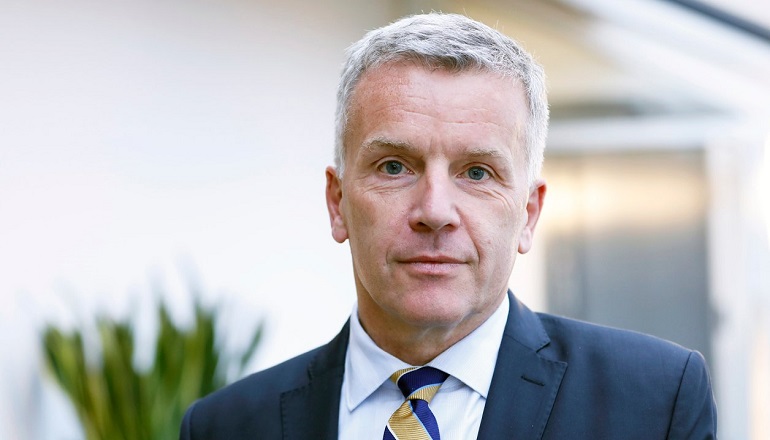
“The continued war initiated by Russia’s invasion of Ukraine and the challenges with inflation and cost of living are putting a damper on absolutely necessary energy transition measures,” said Equinor chief economist Eirik Waerness (pictured).
“On the other hand, it is encouraging to see that substantial progress has been made in some areas such as solar PV and electric vehicle deployment. Despite short-term setbacks the longer-term signals clearly point in the direction of decarbonisation, but speed and scale are uncertain,” he added.
Based on a continued global momentum in addressing the climate challenge the “walls scenario” signals a path of substantial energy transition, however falling clearly short of Paris-consistent climate ambitions for 2050.
The increased levels of geopolitical conflict, especially triggered by the Russian invasion of Ukraine, have made the trade-off between the three criteria of the energy trilemma (energy affordability, energy security and energy decarbonisation) more challenging.
In many ways the walls have become “thicker and higher”, despite the incorporation of expected positive consequences of the Inflation Reduction Act in the US and further changes in energy and climate policies in EU.
The “bridges scenario” is a normative scenario aligned with the 1.5-degree global warming ambition in the Paris Agreement.
This scenario requires a low geopolitical conflict level, common solutions to challenges across regions, sharing of technology and financial support from industrialised countries to developing nations.
Another year has passed by with only moderate progress and that amplifies the massive shortcomings of actual energy transition measures compared to stated ambitions.
Equinor chief executive Anders Opedal said: “With energy security and affordability high on the agenda, we’ve turned every stone to maximise our energy deliveries to Europe.
“At the same time, we have contributed to a balanced energy transition by advancing renewables and low-carbon solutions projects.”
Energy Perspectives is an independent energy scenario study prepared by Equinor analysts.
This year, the publication does not include a full report as the previous edition was published only nine months ago, but all data, forecasts and assumptions have been updated.
Also, the analysts have conducted a separate “deep dive” on critical minerals.
“The role of critical minerals and rare earth elements (REEs) in the energy transition is receiving substantial attention as unprecedented demand, declining reserves and increasingly complex supply chains are challenges that need to see solutions,” said Waerness.