


The world is not on track to achieve the Sustainable Development Goal (SDG) 7 for energy by 2030.
That is the conclusion in a new report by the International Energy Agency (IEA), the International Renewable Energy Agency (IRENA), the United Nations Statistics Division (UNSD), the World Bank, and the World Health Organization (WHO).
This year marks the halfway point for achieving SDGs by 2030.
SDG 7 is to ensure access to affordable, reliable, sustainable and modern energy.
The goal includes reaching universal access to electricity and clean cooking, doubling historic levels of efficiency improvements and substantially increasing the share of renewables in the global energy mix.
The 2023 edition of Tracking SDG 7: The Energy Progress Report warns that current efforts are not enough to achieve the SDG 7 on time. There has been some progress on specific elements of the SDG 7 agenda – for example, the increased rate of using renewables in the power sector – but progress is insufficient to reach the targets set forth in the SDGs.
The global energy crisis is expected to stimulate the deployment of renewables and improve energy efficiency with several government policies pointing to increasing investment.
However, IRENA estimates show that international public financial flows in support of clean energy in low- and middle-income countries have been decreasing since before the pandemic and funding is limited to a small number of countries.
Renewable electricity use in global consumption has grown from 26.3% in 2019 to 28.2% in 2020, the largest single-year increase since the start of tracking progress for the SDGs.
Efforts to increase renewables’ share in heating and transport, which represent more than three quarters of global energy consumption, remain off target to achieve 1.5oC climate objectives.
Energy intensity – the measure of how much energy the global economy uses per dollar of GDP – improved from 2010–2020 by 1.8% annually.
This is higher than the 1.2% improvement from the previous decades.
However, the rate of energy intensity improvement has slowed in recent years and dropped to 0.6% in 2020.
“While the clean energy transition is moving faster than many think, there is still a great deal of work needed to deliver sustainable, secure and affordable access to modern energy services for the billions of people who live without it.
“Successful energy transitions rely on effective policies and technological innovation combined with large-scale mobilisation of investment capital,” said Fatih Birol, IEA Executive Director.
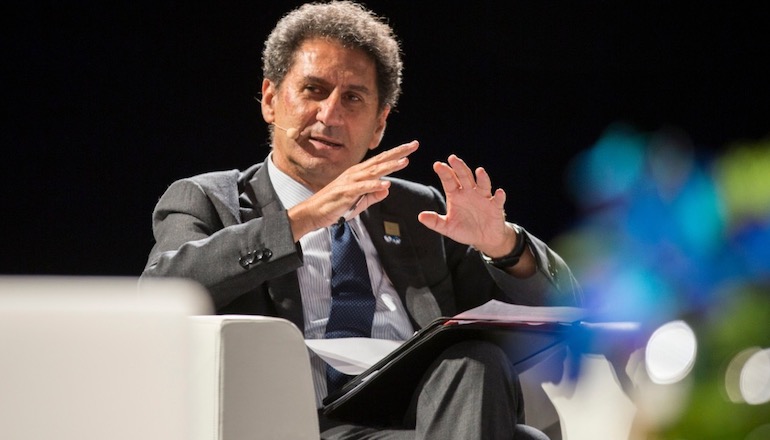
“It is crucial that multilateral financial institutions direct financial flows more equitably around the world to support renewables deployment and related physical infrastructure development,” Francesco La Camera (pictured), Director-General of IRENA.