


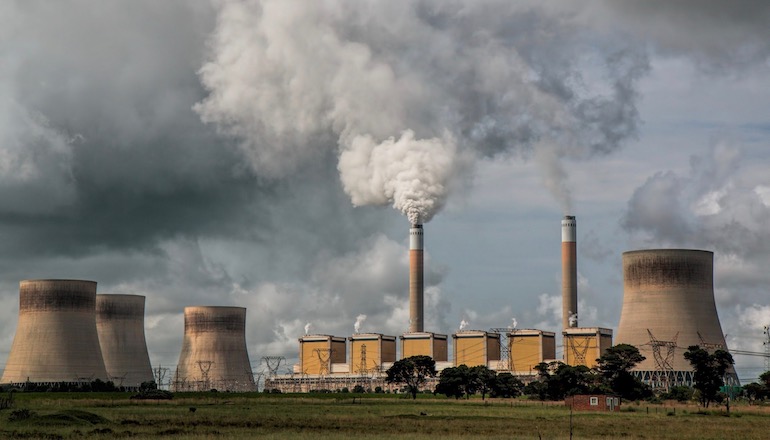
G20 governments have committed $151bn to fossil fuels, compared with $89bn towards clean energy, according to Energy Policy Tracker, which follows climate- and energy-related recovery policies.
The Energy Policy Tracker website provides information about public funding commitments and other government policies related to the production and consumption of energy in the G20 countries since the beginning of the Covid-19 pandemic.
Out of the $89bn of support pledged to clean energy, $16bn has been earmarked as “unconditional” support for renewables projects, such as wind solar and wind, the website found.
The website shows that out of the G20 governments’ support directed at fossil fuels, 20% make financial support conditional on green requirements, such as setting climate targets or implementing pollution reduction plans.
Of the $89bn committed to clean energy, 81% of the support is unspecific about the appropriate environmental safeguards, Energy Policy Tracker found.
The data for the website is provided by 14 organisations.
They include the International Institute for Sustainable Development (IISD), Institute for Global Environmental Strategies (IGES), Oil Change International (OCI), Overseas Development Institute (ODI), Stockholm Environment Institute (SEI) and Columbia University in New York City.
“Under the guise of COVID-19 recovery spending, governments are pouring huge volumes of public money into the struggling fossil fuel industry, wasting an opportunity to fight the climate crisis while enriching big polluters,” said Alex Doukas, a OCI programme director.
Doukas added: “Recovery spending must dramatically change course to support clean energy as an investment in the future, instead of subsidising the polluters of the past. Fossil fuels were a bad investment even before the pandemic began.”
Energy Policy Tracker project lead Ivetta Gerasimchuk said: “The Covid-19 crisis and governments’ responses to it are intensifying the trends that existed before the pandemic struck.
“National and subnational jurisdictions that heavily subsidised the production and consumption of fossil fuels in previous years have once again thrown lifelines to oil, gas, coal, and fossil fuel-powered electricity.
“Meanwhile, economies that had already begun a transition to clean energy are now using stimulus and recovery packages to make this happen even faster.”
The Energy Policy Tracker registered over 200 individual policies from G20 countries, combining the amounts committed through each policy to generate total aggregate figures.
To provide a “detailed, real-world picture” of the current state of support for different energy types, the data for both fossil fuels and clean energy is split into sub-categories – unconditional and conditional.
These categories provided a more nuanced picture on the different levels of government support for a green recovery from the pandemic.
G20 countries are responsible for around 80% of global greenhouse gas emissions and account for 85% of global GDP.