


EDF has signed a long-term agreement with Ampeak Energy to optimise the AW1 battery energy storage system (BESS) at Uskmouth in South Wales.
The 120MW/240MWh battery facility will store electricity and release it to the grid during periods of high demand, helping balance supply and demand while helping the UK lower its carbon emissions.
The agreement marks a key step in Ampeak Energy’s plan to turn Uskmouth into a major sustainable energy park.
EDF will use its Powershift platform and trading team to maximise the commercial performance of AW1, helping to ensure electricity is delivered when it is needed most.
For over half a century, Uskmouth was a coal-fired power station supplying electricity to the national grid.
Under Ampeak Energy’s ownership, it is now being transformed into one of the UK’s largest battery storage facilities – supporting the move to net zero while strengthening the nation’s energy security.
With the AW1 project now at financial close and EDF on board, Ampeak Energy (formerly SAE Renewables) is laying the groundwork for Uskmouth to become a leading battery-powered energy site.
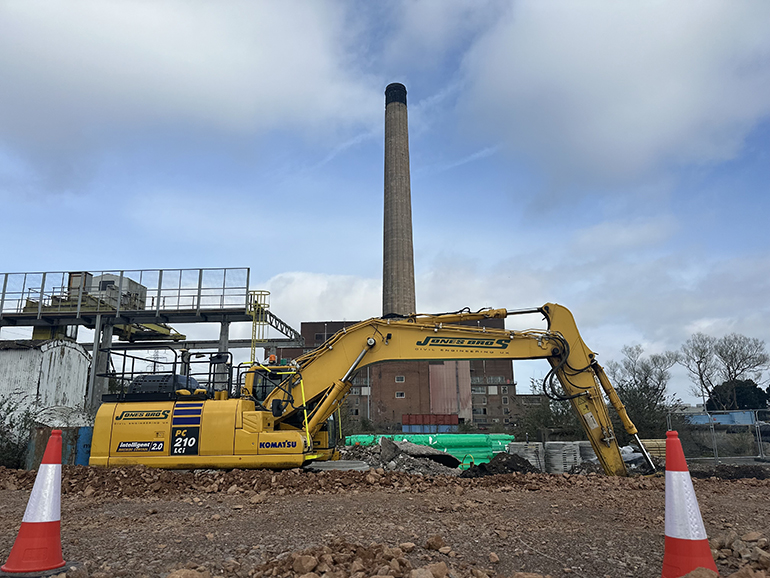
The Uskmouth Sustainable Energy Park site (pictured) is capable of supporting around 3.5GWh of battery storage projects.
Stuart Fenner, commercial director, wholesale market services at EDF said: “We’re proud to be working with Ampeak Energy on this landmark project.
“Battery storage is key to helping the UK reach its climate goal, and our partnership will unlock long-term value from one of the UK’s most exciting clean energy sites.”
David Taaffe, chief operating officer at Ampeak Energy, added: “AW1 is our flagship battery project, and our partnership with EDF gives us the confidence to deliver lasting value and build momentum towards the creation of one of the largest battery sites in the UK, which can be a catalyst for local and national regeneration.”
The Afon Wysg 1 (AW1) project is the first of four BESS assets planned for the former coal power station site in Newport. Construction is underway and the project is expected to enter operation in 2027.