


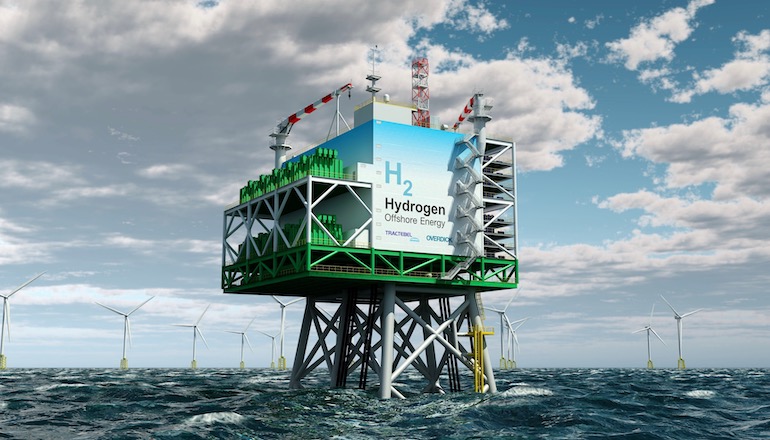
Supportive net zero policies, a steep decline in production costs from electrolysis as well as a broad push towards renewables will pave the way for the widespread adoption of green hydrogen, according to S&P Global Ratings.
S&P Global Ratings found, in a series of reports exploring the potential of clean hydrogen to drive decarbonisation across the economy, that cost continues to present a major setback to the wider spread adoption of the gas.
However, while it cannot compete with gas-fired plants on cost, hydrogen could play an important role beyond 2030 to provide storage and firm back-up power as the share of renewables increases.
This is more likely to happen if policies seek to decarbonise the power grid further.
The reports concluded that industrial gas players are likely to be among the earliest to benefit from increased outsourcing and demand for clean hydrogen, given their established logistics capability along the hydrogen chain.
Existing end markets, such as oil refining, chemicals, and later on possibly fertilizers, will likely also be among the early adopters of clean hydrogen.
However, in the automotive sector, the outlook is less positive and S&P Global expects hydrogen to play a limited role in decarbonizing global light-vehicle mobility this decade.
However, for heavy trucks and commercial vehicles, there could be some potential for hydrogen this decade given weight and range considerations and tightening CO2 emission targets in the EU from 2025.