


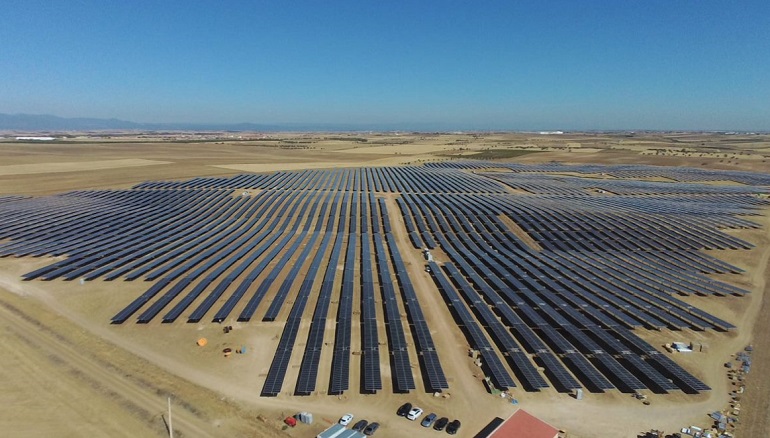
Wind and solar reached a share of 30% of EU electricity generation in the first half of this year, overtaking fossil fuels for the first time.
According to analysis by Ember, in the first six months of 2024, the EU generated more electricity from wind and solar than from fossil fuels, which supplied 27%.
Wind and solar overtook fossil generation in 13 Member States, which included Germany, Belgium, Hungary and the Netherlands, which hit this milestone for the first time in H1 2024, joining nine other Member States.
These countries now make up 70% of the EU’s total electricity demand.
Just five years ago, this figure stood at 5 out of 27 – France, Sweden, Denmark, Lithuania and Luxembourg – responsible for only 25% of EU electricity demand.
In May, over 50% of Spain’s electricity generation came from wind and solar, the first time this has ever happened, according to Ember.
In the same month, Poland hit a third of generation coming from wind and solar, also for the first time.
Strong solar growth in Hungary meant that the country set three consecutive all-time highs for solar output in a single month in April, May and June 2024, beating the previous record set in July 2023.
Recent years have fundamentally changed the EU’s approach to the energy transition, stated Ember, particularly as Russia’s invasion of Ukraine sent gas prices and the cost of electricity skyrocketing.
This has resulted in a “significant acceleration” of wind and solar deployment across Member States.
New policies on both the EU and national level have recognised and solidified the role of clean power technologies to minimise reliance on expensive fossil fuel imports and consumer exposure to volatile prices.
Falling solar panel costs have helped to sustain deployment, even as energy prices begin to return to pre-crisis levels.