


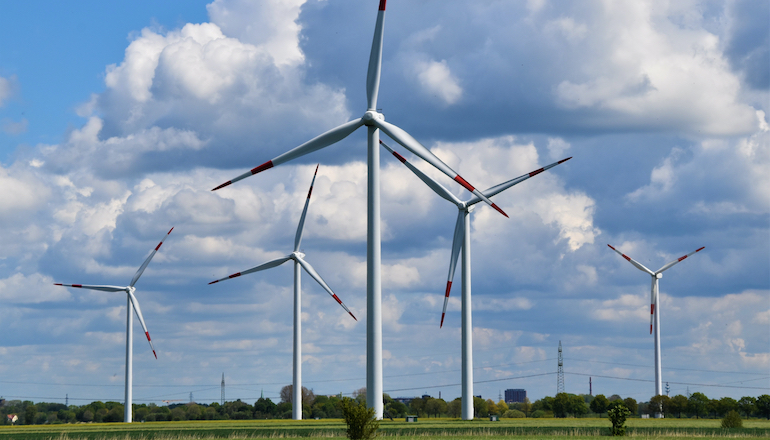
KGAL Investment Management has launched its first renewable energy impact fund, focusing on investments that span solar, onshore and offshore wind across the EU.
KGAL ESPF 5 is one of the first impact funds under Article 9, which is the highest standard in terms of sustainability.
The fund will invest in renewable energy generation through photovoltaics, onshore and offshore wind power, and hydropower.
Investments in other renewable energy generation and storage technologies as well as grid infrastructure will also be considered.
Investments will focus particularly on the EU-27 and the EFTA member states.
The fund aims to achieve a target return (net IRR) of 7-9% over its 10-year term.
The decision to launch KGAL ESPF 5 is in response to the increasing institutional demand that KGAL has experienced since creating its ESPF product series.
In particular, the strong performance of its predecessor fund KGAL ESPF 4, which closed at the end of 2019 with €750m million in equity commitments, supports increasing demand from investors for new opportunities in the renewables space.
KGAL’s deal pipeline remains robust, with over 90% of the predecessor fund’s capital already contractually committed, thereby enabling KGAL to continue to meet investor demand for European renewables assets contributing to the Green Deal.
“For investors, sustainability and impact measurement are increasingly essential, and we at KGAL can fully relate to this as sustainability aspects are an integral part of our business and risk strategy.
“That is why we are incredibly proud to launch one of the first renewable Impact Funds under Article 9, with sustainability investment being first and foremost, in response to investor demand”, said Christian Schulte Eistrup, head of KGAL’s international institutional business.
KGAL entered into renewables investing in 2003 and has acquired over 150 photovoltaic plants, wind farms and hydroelectric power plants on behalf of clients since then, with investments to date amounting to more than €3.2bn across 10 European countries” said Michael Ebner, managing director and head of sustainable infrastructure.