


AIB has raised €1bn to fund or refinance renewable energy projects as part of its first green bond issuance.
The proceeds from the green bond will contribute to the financing of projects with clear environmental and climate change benefits, the Irish bank said.
AIB is only the second European bank to raise supplementary capital (so-called Tier 2 capital) by issuing a green bond.
Banks that issue green bonds use the funds raised to finance or re-finance eligible green projects such as renewable energy projects, low carbon offices and the construction of energy efficient homes.
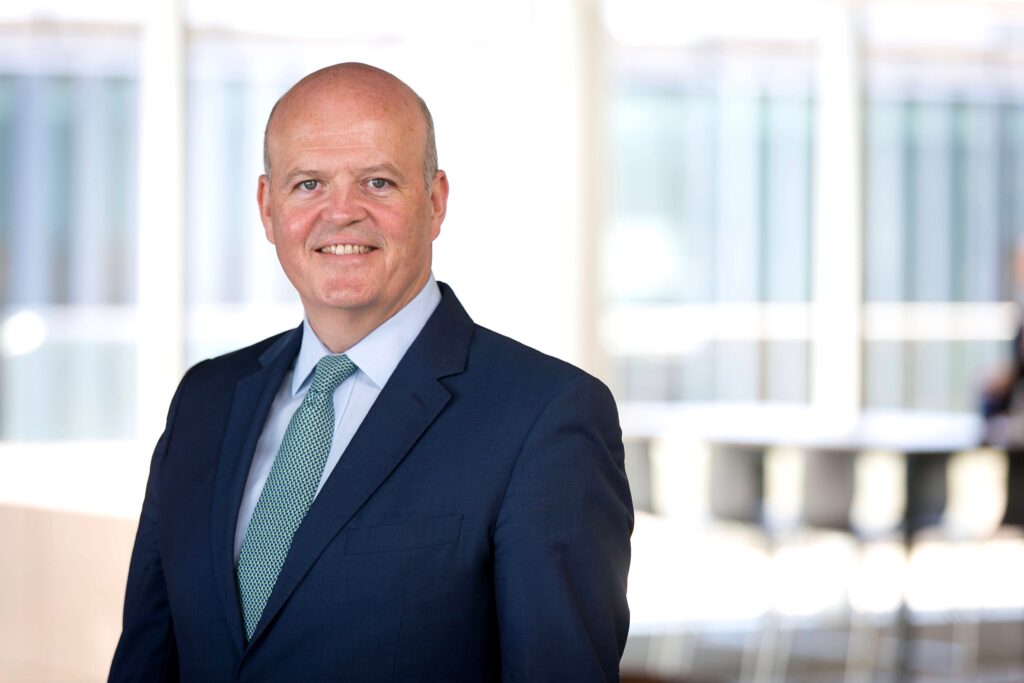
CEO Colin Hunt (pictured) said: “AIB’s first green bond offers socially responsible investors an opportunity to support AIB as it continues to transition its business towards greater environmental sustainability and support its customers on the journey to a low-carbon future.
“This transaction represents a major vote of confidence by investors who are willing to provide us with new capital because they recognise that AIB has been leading the way in the transition to a green economy, not only at an Irish level, but at European level.
“As the first Irish bank to successfully complete a green bond issuance we are reaffirming AIB’s commitment to being a sustainable and strongly capitalised bank.
“Through our actions, from our green mortgage product, to our €5bn green lending fund, we are determined to play our part in enabling a sustainable economic recovery.”
Irish Minister for Finance Paschal Donohoe added: “I am delighted to hear that AIB has issued a Green bond today, which is the first by an Irish bank.
“It represents another important step in supporting our transition to a low carbon economy.”
The €1bn print is AIB’s largest unsecured transaction since the financial crisis. It priced at +330 basis points over the mid-swap, which is a minimal new issue premium.
The book saw strong momentum immediately from announcement into a firmer market, with the book peaking over €2.5bn.
AIB said there was uptake from key accounts across Europe and the UK, with 150 individual investors in the book, including high quality green investors.