


Ørsted has reported a net loss for the last three months due to lower earnings from offshore wind.
The troubled Danish company spilled DKK1.7bn (€227m) of red ink in the third quarter of 2025, compared with a profit of DKK5.2bn in the same period of 2024.
Earnings from offshore sites amounted to DKK 3.6 billion, a decrease of DKK 0.3 billion compared to Q3 2024. The decrease was driven by lower wind speeds (DKK 0.2 billion), a step-down in subsidy levels for older wind farms, and high earnings from power trading activities in Q3 2024 not being repeated in Q3 2025.
However, Orsted said this was partly offset by the ramp-up of generation from Gode Wind 3, compensations for grid delay at Borkum Riffgrund 3, and higher availability in Q3 2025.
The company said EBITDA excluding new partnerships and cancellation fees fell to DKK3.1bn from DKK4.4bn year on year.
Total EBITDA was DKK3.1bn versus DKK9.5bn in the prior-year period, which the company said reflected high cancellation income in 2024.
Gross investments rose to DKK15bn from DKK9.8bn, with Ørsted recording negative free cash flow of DKK16.2bn against a negative DKK11.3bn in Q3 2024.
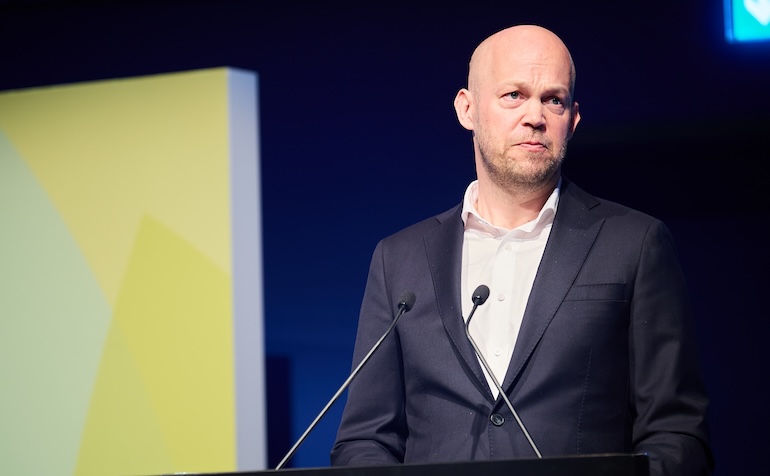
Rasmus Errboe (pictured), Group President and CEO of Ørsted, said: “I’m satisfied with the good progress across our entire construction portfolio and our solid operational performance.
“Despite lower wind speeds in the quarter, we have increased the generation by 8 % compared to Q3 2024 through a combination of higher availability rates for our offshore portfolio and ramping up generation from Gode Wind 3 in Germany.
“We’ve significantly strengthened Ørsted’s financial robustness with the completion of the rights issue and the agreement to divest a 50 % stake in our Hornsea 3 project in the UK.
“I’m pleased with the strong support from our shareholders. I see this as a strong indication that our investors see significant potential in Ørsted and in the offshore wind industry. Our key focus is to continue delivering on our business plan, which will enable Ørsted to remain a global leader of offshore wind with a strong foothold in Europe.”