


Governments need to move faster and more decisively on a range of policy measures to enable low-carbon hydrogen to fulfil its potential to help the world reach net zero emissions and support energy security, according to the International Energy Agency (IEA).
The IEA’s ‘Global Hydrogen Review 2021’ report noted that, currently, global production of low-carbon hydrogen is minimal, its cost is not yet competitive, and its use in promising sectors such as industry and transport remains limited.
However, there are encouraging signs that low-carbon hydrogen is on the cusp of significant cost declines and widespread global growth, it added.
IEA said 17 governments have released hydrogen strategies, more than 20 others have publicly announced they are working to develop strategies, and numerous companies are seeking to tap into hydrogen business opportunities.
Pilot projects are underway to produce steel and chemicals with low-carbon hydrogen, with other industrial uses under development, the report said.
The cost of fuel cells that run on hydrogen continue to fall, and sales of fuel-cell vehicles are growing.
The report said the main obstacle to the extensive use of low-carbon hydrogen is the cost of producing it.
“This requires either large amounts of electricity to produce it from water, or the use of carbon capture technologies if the hydrogen is produced from fossil fuels,” IEA said.
It added that almost all hydrogen produced today comes from fossil fuels without carbon capture, resulting in close to 900 million tonnes of CO2 emissions.
Investments and focused policies are needed to close the price gap between low-carbon hydrogen and emissions-intensive hydrogen produced from fossil fuels.
Global capacity of electrolysers, which produce hydrogen from water using electricity, doubled over the last five years, with about 350 projects currently under development and another 40 projects in early stages of development.
Should all these projects be realised, global hydrogen supply from electrolysers – which creates zero emissions provided the electricity used is clean – would reach 8 million tonnes by 2030.
“This is a huge increase from today’s level of less than 50 000 tonnes – but remains well below the 80 million tonnes required in 2030 in the IEA pathway to net zero emissions by 2050,” the agency said.
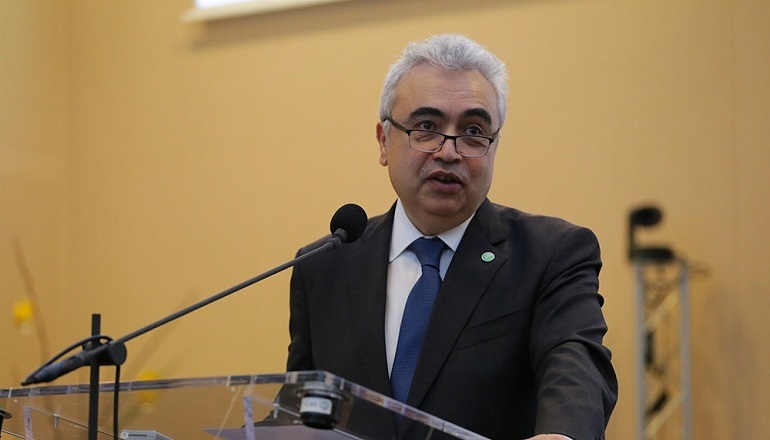
IEA executive director Fatih Birol (pictured) said: “It is important to support the development of low-carbon hydrogen if governments are going to meet their climate and energy ambitions.
“We have experienced false starts before with hydrogen, so we can’t take success for granted. But this time, we are seeing exciting progress in making hydrogen cleaner, more affordable and more available for use across different sectors of the economy.
“Governments need to take rapid actions to lower the barriers that are holding low-carbon hydrogen back from faster growth, which will be important if the world is to have a chance of reaching net zero emissions by 2050.”