


Transforming the power sector alone will only get the world one-third of the way to net zero emissions, highlighting the need for greater efforts in other key sectors, a new IEA report has stated.
IEA’s Energy Technology Perspectives 2020 said a “major effort” to develop and deploy clean energy technologies worldwide is “urgently needed” to meet international energy and climate goals.
Much greater use of electricity in transport, buildings and industry, known as “sector coupling”, can make the single largest contribution to reaching net zero emissions, said the report.
The report analysed more than 800 different technology options to assess what would need to happen to reach net zero emissions by 2070 while ensuring a resilient and secure energy system.
It found that transitioning just the power sector to clean energy would get the world only one-third of the way to net-zero emissions.
“Completing the journey will require devoting far more attention to the transport, industry and buildings sectors, which today account for about 55% of carbon dioxide emissions from the energy system,” the report said.
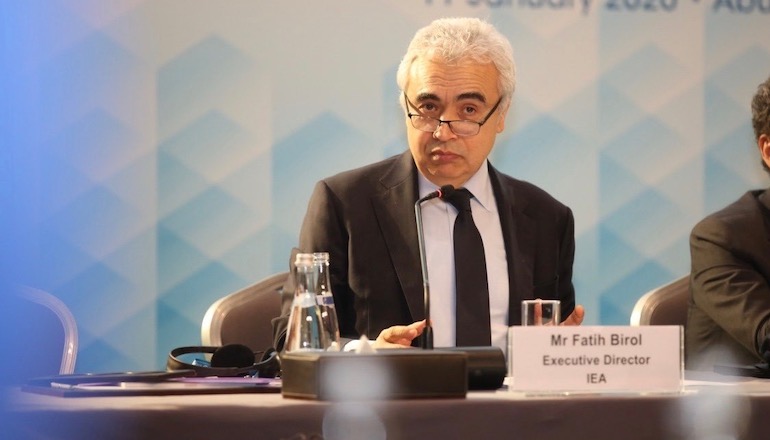
IEA executive director Fatih Birol (pictured) said: “Despite the difficulties caused by the Covid-19 crisis, several recent developments give us grounds for increasing optimism about the world’s ability to accelerate clean energy transitions and reach its energy and climate goals.
“Still, major issues remain. This new IEA report not only shows the scale of the challenge but also offers vital guidance for overcoming it.”
Energy Technology Perspectives 2020 also examined how to address the challenge of long-lasting energy assets already operating around the world.
These included inefficient coal power plants, steel mills and cement kilns, most of which were recently built in emerging Asian economies and could operate for decades to come.
It found that the power sector and heavy industry sectors together account for about 60% of emissions today from existing energy infrastructure.
The report said in heavy industries, “strategically timed” investments could help avoid around 40% of cumulative emissions from existing infrastructure in these sectors.
Hydrogen is expected to play a large and varied role in helping the world reach net-zero emissions by forming a bridge between the power sector and industries where the direct use of electricity would be challenging, such as steel and shipping.
The report forecasts global capacity of electrolysers, which produce hydrogen from water and electricity, will expand to 3300GW in 2070, from 200MW today.
Governments need to play an “outsized role” in accelerating clean energy transitions towards meeting international goals, said the report.