


Lower EU greenhouse gas emissions today are largely due to the growth in renewable generation, according to a new energy policy review by the International Energy Agency (IEA).
EU greenhouse gas emissions in 2019 were 23% lower than in 1990, meaning the bloc has already met its target of a 20% decline by 2020, the World Energy Outlook Special Report found.
Cleaner electricity was the main driver behind the reduction, with the carbon intensity of European power generation now “well below” most other parts of the world.
The EU is a leader in renewable energy technologies, notably offshore wind, and many of its member states have policies in placed to phase out coal, IEA’s study noted.
“However, greenhouse gas emissions in the EU transport sector are still rising, and the use of energy in buildings remains fossil-fuel intensive,” said the agency.
IEA’s report sets out recommendations to help the EU meet its 2030 targets for greenhouse gas emissions, renewables and energy efficiency as well as its longer-term decarbonisation goals.
It found that stronger policies than those currently in place will be needed to deliver on these ambitions and that the energy sector needs to be at the heart of those efforts, as it accounts for 75% of EU greenhouse gas emissions.
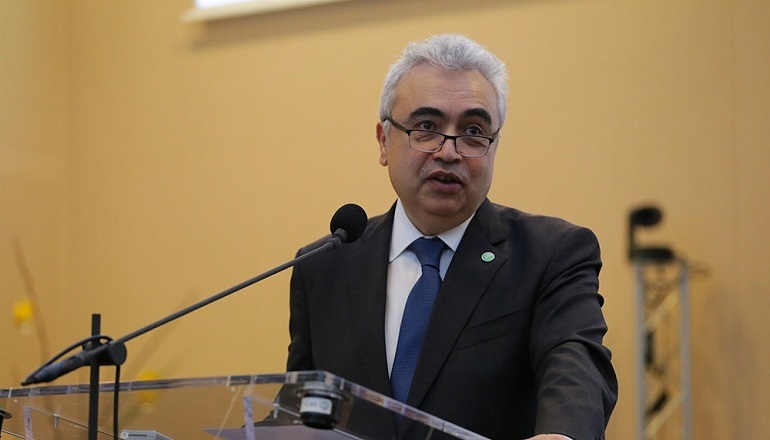
IEA executive director Fatih Birol (pictured) said: “With its recovery plans, the EU has a real opportunity to boost economic activity, create jobs and support the long-term transformation of its energy sector.”
“The Sustainable Recovery Plan described in the IEA’s recent World Energy Outlook Special Report shows how to achieve these three objectives simultaneously.
“The IEA is working with the European Commission and EU member states to design policies to repair the economic damage of the crisis while making their energy systems cleaner and more resilient.”
As various states have different energy policies and approaches to decarbonisation, the report concludes that “strong cooperation” will be needed under the framework of the National Energy and Climate Plans.
Birol said: “The European Green Deal represents an opportunity to strengthen economies across the continent by pooling investments in energy technologies that are likely to play a crucial role in the future.
“Hydrogen electrolysers and lithium-ion batteries could potentially be game-changers both for the EU and globally. I welcome the efforts by the European Commission to accelerate innovation and commercialisation in these key areas.”
Climate Action Network (CAN) Europe director Wendel Trio said: “This report restates the need to put the European Green Deal at the heart of the economic recovery and shows that Europe can and should be more ambitious and go for a transformational change that will ensure clean, secure and affordable energy to all Europeans.
“There are ample opportunities for Europe to reduce energy consumption and increase investments in renewable energy sources.
“To ensure governments and companies make use of these opportunities we need to strengthen EU energy policies and targets, starting with an increase of the 2030 climate target, to be agreed within the next six months.”
Michael Burns, energy partner at law firm Ashurst, added: “The IEA report comes at a significant moment when many countries in the EU are poising themselves to take stock of the economic impact of Covid-19.
“The report is an important calling to ensure that Europe’s pre-Covid-19 energy transition pathway must not be abandoned but that it can in fact be a route to economic recovery.
“I very much hope governments will take on board the report’s key recommendations.”