


Ukrainian energy company DTEK is planning for renewables to account for at least one-third of the electricity it produces by 2030.
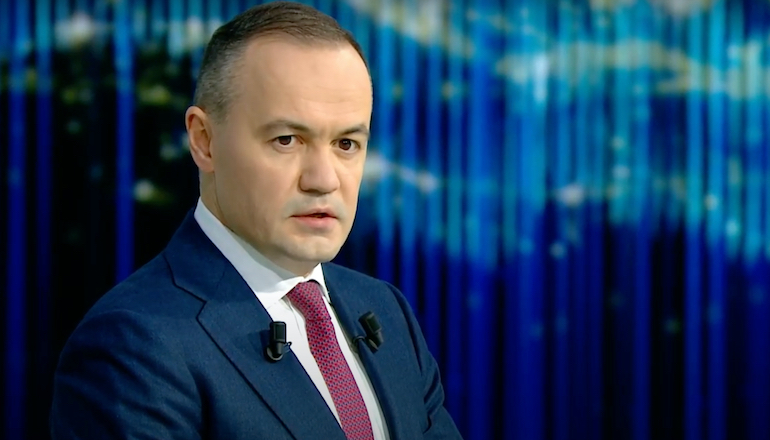
The goal was part of a new 2030 corporate strategy presented by chief executive Maxim Timchenko (pictured) on 23 December as part of the company’s public annual senior management conference.
DTEK said the first phase of construction of new pilot solar and wind projects in the EU is expected in 2021.
It said the strategy commits the company to transforming into a greener, more efficient and technologically advanced business.
“Implementing the strategy will contribute significantly to the decarbonisation of both the Ukrainian and European economy,” DTEK said.
The strategy is based on the environmental, social, and corporate governance principles, ethical business values and the desire to meet the current needs of society, as well as global energy and development trends in Ukraine.
Over the next 10 years, DTEK will focus on the gas production industry, renewable energy, trading and distribution networks.
The company plans to develop a culture of open innovation as well as completing the digital transformation of the business.
These processes will be complemented by the automation of production, introduction of innovations along the entire value chain, and large-scale use of modern digital technologies and AI solutions, it said.
Timchenko said: “Over the past 15 years, DTEK has invested $11.9bn in energy sector and sustainable development.
“This has ensured production growth and social development of the regions where DTEK Group’s production facilities operate.
“Today, the energy industry is changing under the influence of global trends.
“To maintain our leadership in the competitive electricity market, we are transforming our business and setting ourselves new ambitious goals.
“As a business, we see our task in offering our customers modern services and energy efficient solutions.
“As a national investor, we are ready to help Ukraine transform the domestic energy sector to align its development with that of our European counterparts.”