


Total energy transition-related demand following the Inflation Reduction Act (IRA) will drive up demand for lithium, nickel and cobalt to levels 23 times higher in 2035 than in 2021 says a new study from S&P Global.
The analysis finds that US “energy transition demand”, from decarbonisation technologies such as electric vehicles, charging infrastructure, solar PV, wind and batteries, will continue to accelerate and be materially higher for lithium (+15%), cobalt (+14%) and nickel (+13%) by 2035 than was projected before the IRA was enacted in August 2022.
Demand for copper will be 12% higher by 2035 than pre-IRA projections.
Adding the post-IRA demand increases on top of demand growth that was already expected prior to the IRA becoming law means that total combined energy transition-related demand for lithium, nickel and cobalt will be 23 times higher in 2035 than it was in 2021.
Total demand for copper will be twice as high, the study finds.
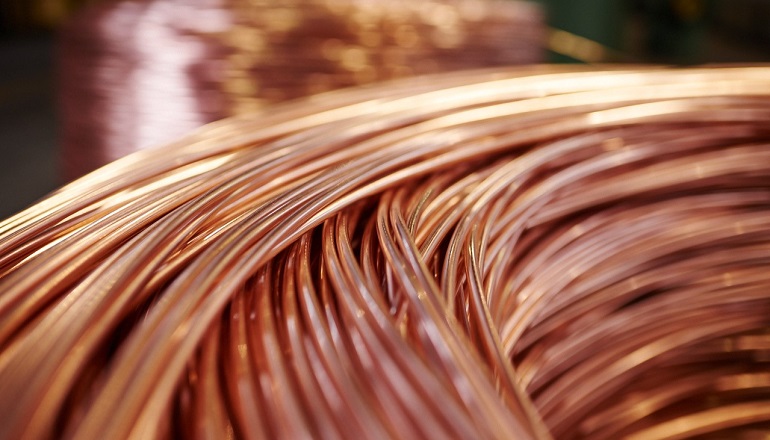
Copper is not listed as a critical mineral in the US and does not qualify for IRA tax credits.
However, its role as the “metal of electrification” makes it vital to the energy transition and demand for it will rise as it is used alongside critical minerals in energy transition applications, the study says.
The study, entitled Inflation Reduction Act: Impact on North America Metals and Minerals Market, compares project demand post-IRA to available supply, given IRA rules around sourcing in terms of country of origin for production and processing.
To qualify for IRA tax credits, processing and/or extraction of critical minerals used must be in the United States and/ or in a country with which the United States has a free trade agreement (FTA); and that sourcing cannot involve a “foreign entity of concern”.
“This new comprehensive analysis shows that the Inflation Reduction Act is indeed transformative on the demand side,” said S&P Global vice chairman Daniel Yergin.
“However, challenges remain in securing supply of critical minerals needed to meet growing demand and achieve its goal of accelerating the energy transition.”
Of the four materials analysed in the study, only lithium is likely to be sufficiently supplied to the United States under the IRA’s domestic content requirements, given already-planned capacity additions in the country and other FTA nations such as Chile, Canada and Australia.
Cobalt and nickel are both unlikely to be sourced at levels high enough to meet demand.
While there is enough cobalt produced in FTA countries to meet the IRA domestic sourcing requirement, the US does not currently source most of its cobalt from those countries.
Doing so would require a “challenging reorientation of trading patterns across several countries given intense international competition for resources”, the study says.
Nickel is the most challenged in terms of supply, the study adds.
There does not appear to be enough nickel supply in FTA countries to meet demand under the IRA requirements-even if all primary nickel production in FTA countries was exported to the United States.
While copper is not subject to sourcing requirements under the IRA, ensuring access to enough supply to meet US demand post-IRA is also at risk, the study says.
The US will become more reliant on imports as growing demand for energy transition-related end markets outpace domestic supply, the study says.
The US could struggle to secure additional supplies from Chile if other markets that represent a larger share of Chilean exports also compete for that supply.