


Vattenfall has decided to further increase its emission reduction targets for 2030 and beyond, aiming to reach net zero by 2040, including adding four times the capacity of wind and solar compared with current operations by the end of this decade.
The new targets are set to help keep the global warming at a maximum of 1.5 degrees Celsius and have been approved by the Science Based Targets initiative (SBTi), which is providing external validation in line with the latest climate science research.
In October 2019, Vattenfall’s climate targets were approved by the SBTi to be in line with the two degrees Celsius trajectory.
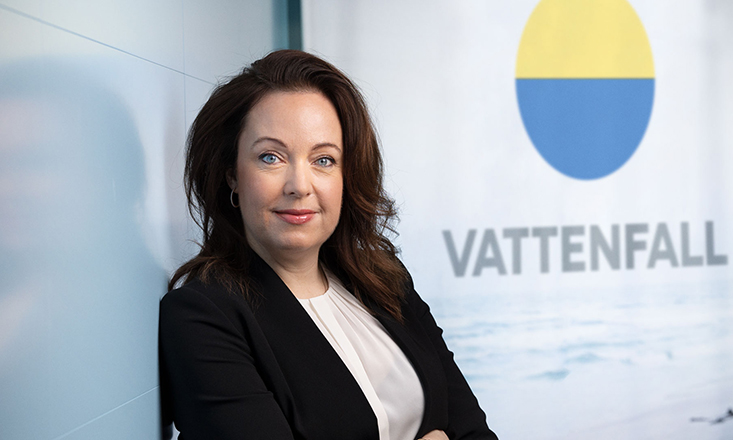
Vattenfall chief executive Anna Borg (pictured) said: “The climate crisis is for real and not only do we have a responsibility to step up and move fast, we also see many opportunities for us at Vattenfall in being a leader in this urgent transition.
“That is why we at Vattenfall have committed to take action in accordance with IPCC’s conclusions. Achieving 2 degrees is not enough.
“The 0.5-degree difference means the world to us and is a huge step towards a fossil free living within one generation.”
Borg added that in 2020 the company achieved the two degrees SBTi target of reducing absolute CO2 emissions by nearly 40% from 2017.
She said: “Now we will continue our accelerated path. This means we will reduce our emissions intensity by over 77% from 2017 to 2030.
“We also commit to a Net Zero by 2040 target, meaning we will achieve net zero emissions in our full value chain by 2040.
“It is important that we use our expertise and position in the market to help our customers and suppliers to decarbonise, which is why we also have set a 50% emission reduction target for our suppliers of goods and services.”
Vattenfall plans to phase out coal from all operations by switching its last two coal-fired heat assets, Moabit and Reuter West in Berlin, to a combination of biomass, heat pumps, power-to-heat, and natural gas.
The company will also help partners and society to electrify industrial processes, including in steel, cement, heavy transport, chemicals, and more.
Vattenfall has also committed to being net zero along its full value chain in 2040, meaning that by that year, all CO2 emissions including from suppliers and customers, will either have been eliminated or offset via negative emissions.