


There will be a 29% capacity shortfall of wind and solar required to hit 2030 targets, according to a new study.
The Global Solar Council (GSC) and the Global Wind Energy Council (GWEC) have jointly called on governments to “raise ambition for wind and solar power” at national level through updated NDC targets and national climate strategies, which reflect higher capacity targets for renewable energy and ban new coal investment.
The two associations have also asked governments to implement effective policy and regulatory frameworks for procurement and delivery of renewable energy, including sensible and streamlined permitting schemes to lower project attrition rates, prioritised renewables-based generation and environmentally sound development.
They have also urged for commitment for the rapid build-out of clean energy infrastructure including grids and transmission, through pooled expertise and increased dialogue among system operators, regulators and utilities to address system bottlenecks and the forward-planning required to integrate large-scale renewable energy.
“While there is a global focus on 2050, the 29% shortfall by 2030 sends a clear signal to policymakers that they are not moving fast enough to tackle climate change.
“Governments around the world need to realise this is the decade to make fundamental change,” GSC and GWEC stated.
The two organisations, which represent private sector companies and associations across the wind and solar PV industries worldwide, have established the Global Renewable Energy Alliance to step up cooperation, knowledge exchange and joint advocacy.
Together, wind and solar energy set to make up 70% of electricity generation by 2050, in the net zero roadmaps published by the IEA and IRENA earlier this year.
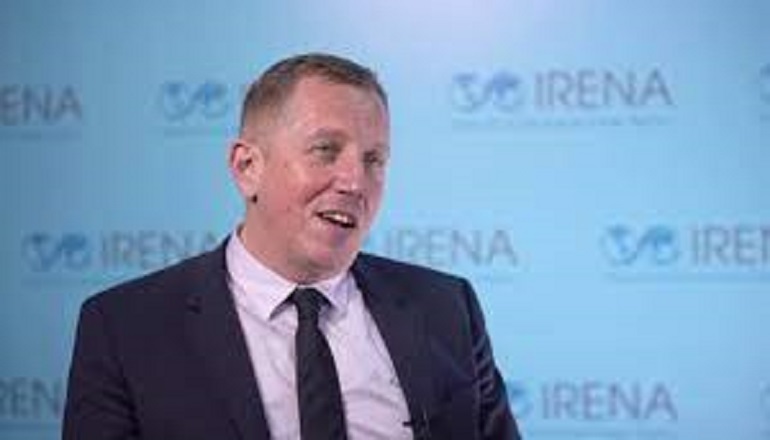
Ben Backwell (pictured), GWEC CEO, said: “A 29% deficit means missing NDC and long-term net zero targets, which means failing to successfully deal with the climate emergency.
“All countries and international organisations need to start making changes now to phase out coal, design new energy markets, modernise grids and overhaul finance flows to grow the renewables sector.”
Gianni Chianetta, Global Solar Council CEO, said: “For governments looking to show they are acting now to raise their climate ambition and accelerate their NDCs, solar PV and wind are go-to technologies that are economically competitive and reliable today.
“Partnering with the Global Wind Energy Council represents an important step for the Global Solar Council because we can combine our efforts in leading a rapid and just transition to clean, sustainable energy.”