


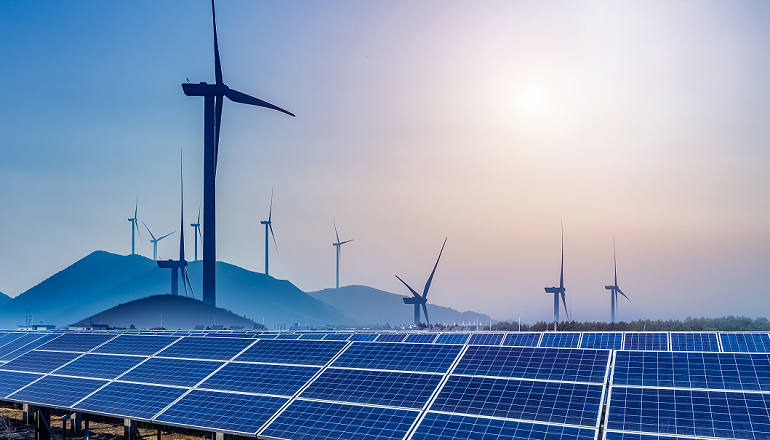
Co-op Power will expand wind and solar energy buying as part of its 10-point climate plan that sets out a blueprint to achieve net zero for its direct and indirect carbon emissions by 2040.
The move will see Co-op Power, which is the biggest energy buying co-operative in the UK, use its collective buying to help Co-op suppliers, and other businesses, save money and source purely green, low-cost energy in an ethical, sustainable way.
As part of its growth plans, Co-op Power expand its Co-op Power wind and solar energy buying group to offer its services to Co-op’s suppliers and more UK businesses and organisations.
The group will double the amount of power purchase agreements (PPAs) to help boost renewable capacity and reduce carbon intensity of electricity.
This will not only guarantee a source of green but also guarantee providence of power, whilst helping to fund future green projects.
It will also develop a co-operative PPA proposition where multiple customers join together with Co-op Power to commit to a PPA difference, helping those who might not be the size or have the capabilities to do this in house.
The group will also expand its services throughout its supply chain to help move more suppliers and businesses to quality green energy, reducing consumption and use of fossils fuels, offering services to support their ambitions of net zero.
Co-op Power’s collective, co-operative buying model allows it to buy and distribute 100% REGO renewable energy from sustainable wind and solar, not biomass, making it on average 4.2% cheaper than its competitors.
Co-op Power managing director David Roberts said: ”Expanding Co-op Power and increasing our PPAs will not only guarantee a source of green but reinforces our climate commitments and a fairer and more sustainable future for us all.
“Sixty percent of our supply chain admit they don’t have the resource to reach net zero alone, co-operation is in our DNA and we are keen to share our expertise with others.
“This will not only help us achieve the targets set out in our ten-point plan, but also promote ethical and sustainable practices that will help build the UK’s renewable energy capacity.”