


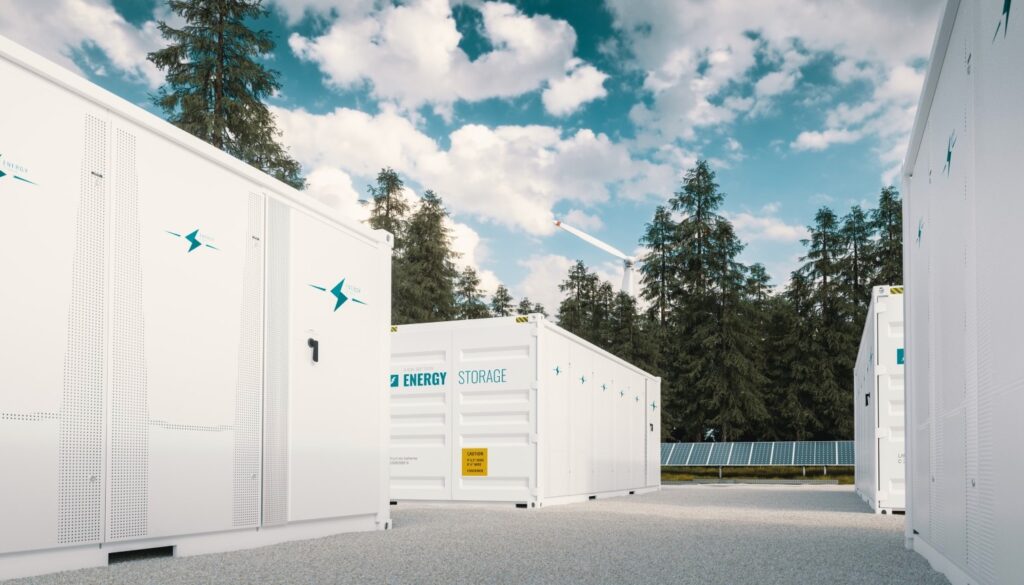
Global long-duration energy storage installations exceeded 15GWh in 2025, marking a 49% year-on-year increase, according to Wood Mackenzie.
The consultancy said China accounted for 93% of cumulative global deployment driven by government policy support including provincial mandates and the Special Action Plan for Development of New Energy Storage (2025-2027).
Compressed air energy storage accounted for 45% of installations in 2025, followed by thermal storage at 33% and vanadium redox flow batteries at 21%.
Wood Mackenzie added that long-duration systems represented only 6% of global energy storage installations in 2025 as lithium-ion batteries continued to dominate shorter-duration markets.
“Despite impressive installation growth last year, LDES technologies are caught in a strategic squeeze,” said Jiayue Zheng, managing consultant for energy storage at Wood Mackenzie.
“Lithium-ion batteries have captured the economically critical four to eight-hour storage market through superior cost and supply chain advantages, while the LDES lacks sufficient demand and pricing mechanisms to achieve commercial viability.”
The report said global funding for LDES fell 30% year-on-year in 2025 while venture capital investment dropped by 72%.
Wood Mackenzie attributed the decline to high interest rates, growing capital competition from AI data centres and grid infrastructure projects, and falling lithium-ion battery prices.
“VRFB project costs are projected to fall by over 30% by 2034 but will still be about 240% higher than lithium iron phosphate battery projects for 4 hour duration,” said Priya Shrivastava, research manager for energy storage supply chain at Wood Mackenzie.