


Converting upstream oil and gas production facilities to run on electricity powered by renewables or natural gas that would otherwise be flared could slash production emissions.
Electrification could cut more than 80% of associated emissions, according to new research from Rystad Energy.
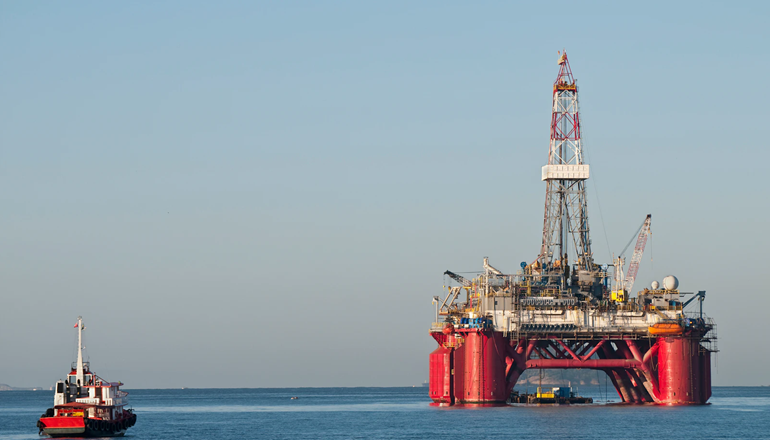
Fully electrified rigs and other assets (pictured offshore O&G rig) on the Norwegian Continental Shelf emit 1.2 kilograms of carbon dioxide per barrel of oil equivalent (kg of CO2 per boe) produced, an 86% drop from the 8.4kg of CO2 per boe emitted by the same assets before electrification.
Norway is in a “prime position that is almost unique among major oil and gas producers”, stated Rystad, because it can tap into its abundant renewable energy resources, particularly hydroelectric power, to “significantly reduce” greenhouse gas emissions from upstream production.
The country was an early mover in refitting its assets to run on clean power, and now has plans to cut emissions from the continental shelf by 70% by 2040.
Most of the country’s key production sites are strategically located near potential renewable energy sources, facilitating the transition away from fossil fuels.
Other producing countries may face logistical hurdles when converting assets, including significant distances from the mainland, a lack of power grid infrastructure and limited renewable power capacity.
“As the world confronts the pressing issue of climate change, the oil and gas industry is under increasing pressure to minimise its carbon footprint and align its practices with global sustainability objectives.
“Where it’s possible and economically viable, electrification has great potential to lower the industry’s emissions while maintaining production output,” said vice president of upstream research with Rystad Energy Palzor Shenga.