


The global energy crisis is driving a sharp acceleration in installations of renewable power, with total capacity growth worldwide set to almost double in the next five years, according to a new report from the IEA.
Renewable power is overtaking coal as the largest source of electricity generation by 2025 and helping “keep alive” the possibility of limiting global warming to 1.5°C, the IEA said in its Renewables 2022 edition.
Energy security concerns caused by Russia’s invasion of Ukraine have motivated countries to increasingly turn to renewables such as solar and wind to reduce reliance on imported fossil fuels, whose prices have spiked dramatically.
Global renewable power capacity is now expected to grow by 2400GW over the 2022-2027 period, an amount equal to the entire power capacity of China today, Renewables 2022 found.
This expected increase is 30% higher than the amount of growth that was forecast just a year ago, highlighting how quickly governments have thrown additional policy weight behind renewables.
“Renewables were already expanding quickly, but the global energy crisis has kicked them into an extraordinary new phase of even faster growth as countries seek to capitalise on their energy security benefits.
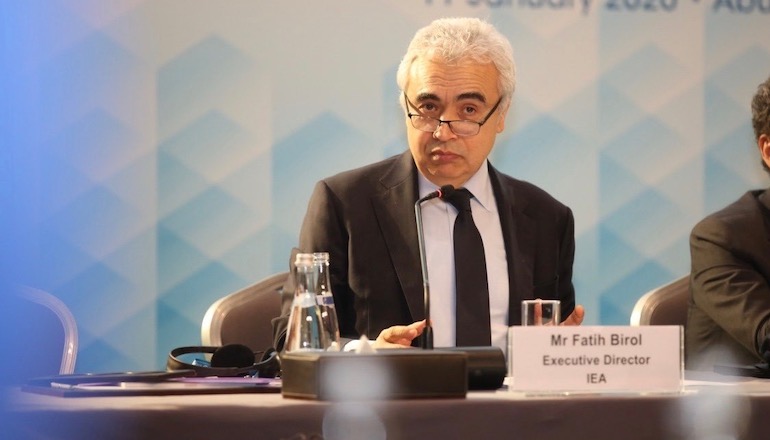
“The world is set to add as much renewable power in the next 5 years as it did in the previous 20 years,” said IEA Executive Director Fatih Birol.
“This is a clear example of how the current energy crisis can be a historic turning point towards a cleaner and more secure energy system.
“Renewables’ continued acceleration is critical to help keep the door open to limiting global warming to 1.5°C.”
The report sees emerging signs of diversification in global solar PV supply chains, with new policies in the United States and India expected to boost investment in solar manufacturing by as much as $25bn over the 2022-2027 period.
While China remains the dominant player, its share in global manufacturing capacity could decrease from 90% today to 75% by 2027.
The report also lays out an accelerated case in which renewable power capacity grows a further 25% on top of the main forecast.
Seb Kennedy, Head of Data Insights at TransitionZero, said: “The IEA’s report on the role of renewables aligns with global deflationary trends for renewable energy.
“TransitionZero’s analysis shows that the cost of renewable energy and storage has declined by 99% in the last 10 years.
“While rising energy and material input costs have temporarily interrupted those declines, our data shows that on average, new-build renewable energy paired with storage is still significantly more cost-competitive than existing natural gas-fired power generation and can be retrofitted at a saving.”