


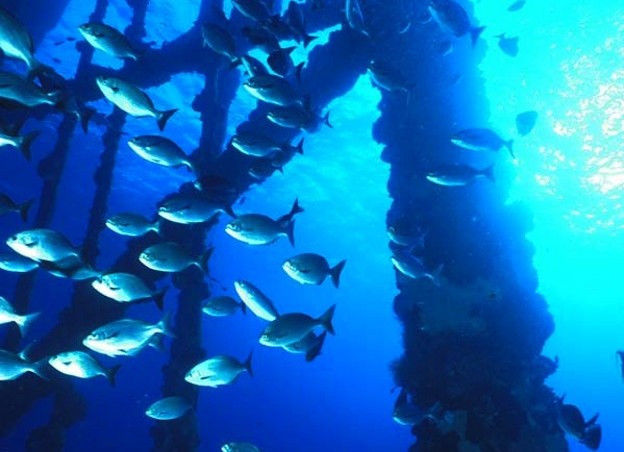
Protection of marine biodiversity in the UK could be further enhanced by introduction of highly protected marine areas, according to a new report.
The independent report, which was commissioned by the government, was written by former Fisheries Minister Richard Benyon and puts forward measures to further enhance the protection already in place for the marine environment in English waters.
RenewableUK welcomed the new report published today.
R-UK head of policy and regulation Rebecca Williams said: “This report will play an important role in ensuring even more effective management of the marine environment by promoting biodiversity and sustainable development.
“Our members are delivering innovative, low-cost, practical solutions to climate change which remains the greatest long-term threat to the biodiversity of our seas.
“Individual projects are already highly regulated to ensure that developments are sited, constructed, and operated in an environmentally responsible way.
“A carefully planned introduction of HPMAs to protect the most important and vulnerable areas of our seas is welcomed by the offshore wind sector, as it chimes with our values as environmentally sensitive developers.
“We already work closely and collaboratively with other sea users and wildlife organisations to maximise the protection of the precious biodiversity in our waters.
“Those of us closely involved in this process are aware that more Government funding will be needed to ensure the statutory nature conservation bodies have sufficient resources to take the right decisions in a timely manner, especially under this enhanced regime.”
As part of the Offshore Wind Sector Deal, the government has committed to working collaboratively with the industry to develop the marine environment in a way which satisfies the needs and views of all stakeholders.
Williams added: “To accommodate new offshore wind projects, as well as delivering on marine protection, a more strategic approach by government to marine spatial planning is needed to ensure that all sea users can make use of our marine resources in the right way.
“This will allow new developments to be built, without the risk of associated spatial pressure being placed on areas of the sea which are still open for activity.”
Orsted also welcomed the findings of the independent report and said it is happy to have provided input into the government-commissioned review.
“It’s vital that environmental protection tools, like highly protected marine areas, are implemented in the right way to ensure they protect the most fragile and vulnerable parts of our marine ecosystems,” Orsted head of market development, consenting and external affairs Benj Sykes said.
Sykes said offshore wind can help mitigate the threat posed to marine ecosystems by climate change if developers build new projects sustainably and sensibly.
“We believe a much more strategic approach to marine spatial planning is needed to ensure we put wind farms in the right place, connect them in the right way and continue to deliver marine protection in the most effective way”.