


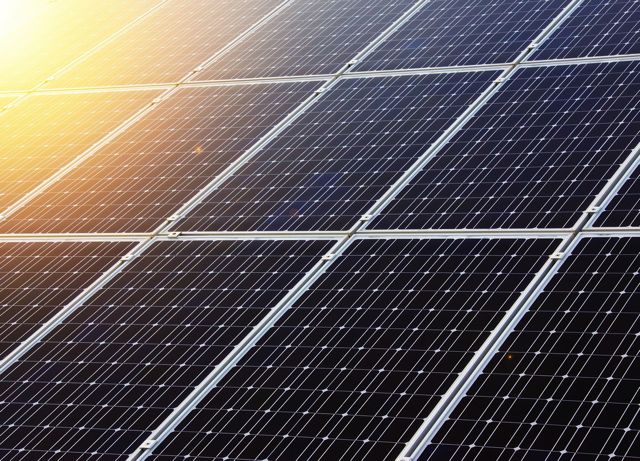
DNV expects variable renewable capacity in the Middle East and North Africa to grow about tenfold by 2040 as large solar projects and storage scale across the region.
The company said its rise of renewables in the Gulf region report shows that solar and wind generation will continue rising through 2060 even as the region remains a major oil and gas producer.
According to the analysis, electricity is set to meet 35% of total energy demand by 2060, with solar providing around 45% and wind about 40% of generation.
Growth is driven by expanding renewable supply and rising demand from sectors including data centres, electric mobility and green hydrogen production.
Solar capacity is forecast to climb from 76GW in 2024 to 340GW by 2029, while wind output is expected to triple each decade from 2020 to 2060.
“The rapid rise of renewables in the Gulf, and MENA more broadly, is not replacing hydrocarbons overnight, but it is reshaping the power system,” said Ditlev Engel, chief executive, energy systems at DNV.
“GCC countries are building some of the world’s largest solar and storage projects while still supplying global oil and gas markets,” Engel added.
“Utility-scale solar, wind, and storage projects are now being built at a pace that changes the regional power mix,” said Jan Zschommler, market area manager for Middle East & Africa, energy systems at DNV.
DNV said storage capacity is projected to increase from about 36GWh today to almost 9500GWh by 2060, with batteries replacing thermal plants as the main source of short-term flexibility.