


EU heads of state and government have agreed to increase the bloc’s climate action spending target to 30%, instead of 25%, as they reached agreement on a new seven-year budget and €750bn COVID recovery fund.
The target will apply to both COVID recovery funding – the Next Generation EU instrument – will be in addition to budget spending worth €1,074bn in the European Commission’s revised Multiannual Financial Framework (MFF) 2021-2027.
EU leaders also agreed that spending from the package, totalling €1,824bn, will comply with the EU’s 2050 climate neutrality target.
2030 climate target, which will be updated by the end of the year, and the Paris agreement.
Full detail of where spending will go is not yet available, with some of this up to member states to determine.
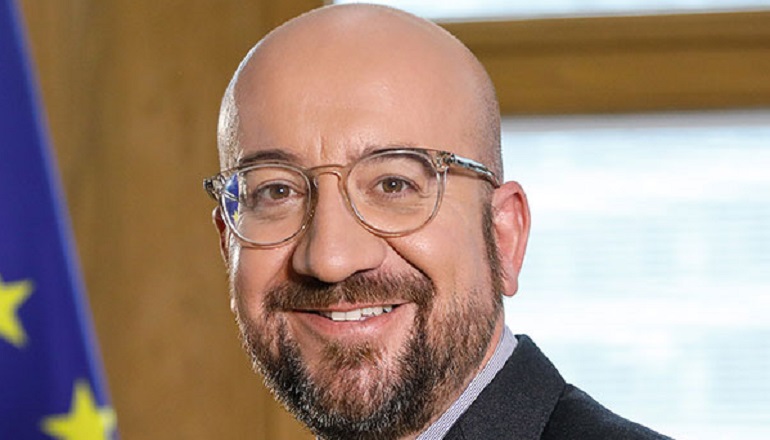
European Council president Charles Michel (pictured) said: “We have reached a deal on the recovery package and the European budget.
“These were, of course, difficult negotiations in very difficult times for all Europeans. A marathon which ended in success for all 27 member states, but especially for the people. This is a good deal. This is a strong deal. And most importantly, this is the right deal for Europe, right now.”
Climate Action Network Europe said investing in the transition towards climate neutrality offers guarantees for the budget net-payers that EU funds will be spent in line with higher climate ambition, in renewable energy and energy savings.
The NGO added that legislation for the Next Generation EU spend does not specify how the new funds would contribute to achieving the set climate spending target.
Member States now need to draft spending plans fit for the climate crisis, and ban harmful measures such as investments in new fossil gas infrastructure, said CAN Europe.
CAN Europe finance and subsidies policy coordinator Markus Trilling said: “This ambitious decision to link the recovery funds with EU’s climate commitments must now trickle down to the Member States’ spending plans.
“What leaders will put in their plans will define the EU’s response to both the climate and economic crises in the next 10 years. Now, EU leaders must use the full potential of EU funds to boost climate action and exclude support to fossil fuels.”