


Integrating offshore oil and gas, offshore wind, hydrogen and carbon capture and storage could help deliver 30% of the UK’s carbon reduction requirements to get to net zero, according to a new report.
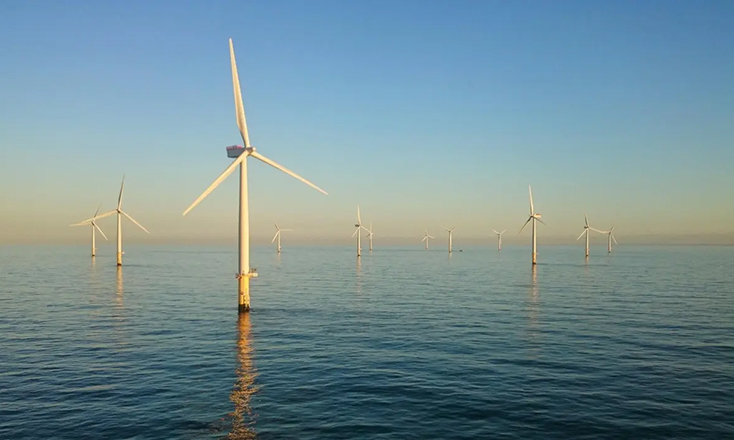
The Oil and Gas Authority’s (OGA) Energy Integration Project report highlights the additional potential for offshore wind, wave and tidal to contribute a further 30% towards the UK’s net zero by 2050 target.
The study found that the UK Continental Shelf (UKCS) could support, in combination with complementary investments in onshore energy infrastructure, around 60% of the UK’s decarbonisation requirements in total.
The report, published with Ofgem, the Crown Estate and BEIS, found oil and gas platform electrification is essential to cutting sector production emissions in the near term, and critical to the industry’s social licence to operate.
Electrification can achieve a 20% reduction equivalent to today’s production emissions, rising to 40% by 2030.
It also highlighted that oil and gas capabilities, infrastructure and supply chain are “crucial to energy integration”, and can potentially support further offshore renewables expansion, including floating wind.
Other key findings of the study highlight that green hydrogen can support and enable the significant expansion of offshore renewables in the 2030s and beyond, providing an efficient storage and energy transportation solution.
Reducing the costs of the technology involved (electrolysis) would be needed to support the faster uptake of this technology.
OGA chief executive Andy Samuel said: “The UK Continental Shelf has the potential to make a deep and meaningful impact on the UK’s overall net zero target and offshore energy integration can be the game changer.
“By closely co-ordinating our energy systems a secure energy supply can continue to be delivered from a diverse mix of production, while unlocking more and more of the green energy and carbon capture needed to help take the UK to net zero.”
Scotland energy minister Paul Wheelhouse said: “This report clearly demonstrates that an integrated offshore energy system, including CCUS and use of hydrogen, can help Scotland and the UK meet our greenhouse gas emission reduction requirements – by around 30% for the UK as a whole and increasing to around 60% with the inclusion of offshore wind, floating wind, wave and tidal energy deployment.”
Opportunity North East chair Ian Wood added: “We warmly congratulate OGA for its great work in the past two years in looking at energy integration opportunities. It highlights the huge potential in offshore wind and where blue and green hydrogen will fit in.
“Perhaps the most encouraging featuring is that the UKCS activities could achieve 60% of the UK’s decarbonisation requirements. That emphasises the importance of oil and gas, both operators and supply chain, allocating more resources to energy transition activities.
“The expansion of offshore wind, growth of hydrogen as alternative fuel and development of carbon capture usage and storage infrastructure offer opportunities to diversify and expand our supply chain and create new jobs, new export opportunities and make a major contribution to Scottish and UK net zero targets.”