


There is a need to evolve energy leadership to accelerate global energy transitions in all regions, according to the World Energy Council’s latest World Energy Trilemma report.
The 15th edition, titled ‘Evolving with Resilience and Justice’, exposes the profound changes in global energy systems triggered by the world’s first demand-driven energy shock in response to the war in Ukraine and the need to evolve energy leadership to accelerate global energy transitions in all regions.
The World Energy Trilemma framework, which encompasses +100 countries, tracks national energy performance against the three key dimensions of energy security, equity and environmental sustainability.
The council has identified that the three dimensions are evolving to reflect new ambitions in managing energy for people and planet and the ‘new threat of poly-crises’.
Energy security now encompasses the reliability of renewables, availability and accessibility or critical minerals, and resilience in the face of physical and cyber threats.
Energy equity has deepened to include new demands for justice, fairer access to and equitable distribution of clean energy benefits, and energy transitions’ impact on vulnerable communities.
Environmental sustainability has broadened to a holistic concern for planetary health, embracing circular economy principles, the interconnectedness of water, food, and energy systems, and the better alignment of decarbonisation efforts with the planet’s ecological limits.
National energy scores are listed in the World Energy Trilemma Index.
While the overall index scores continue to reflect the time-lag in national data collection and show European countries among the top performers, interviews highlight the challenges caused by the world’s first consumer-led demand-driven energy shock following the invasion of Ukraine.
The energy security impacts of the war, such as Europe turning its back on imports of Russian gas and seeking alternative sources, continues to have ripple effects throughout global energy systems.
While short-term solutions eased energy security issues, increased use of coal led to equity and sustainability concerns and rising costs risk longer-term European industrial competitiveness.
These issues extend beyond Europe, suggesting that the Ukraine war will have long lasting broader implications for energy policies and strategies globally.
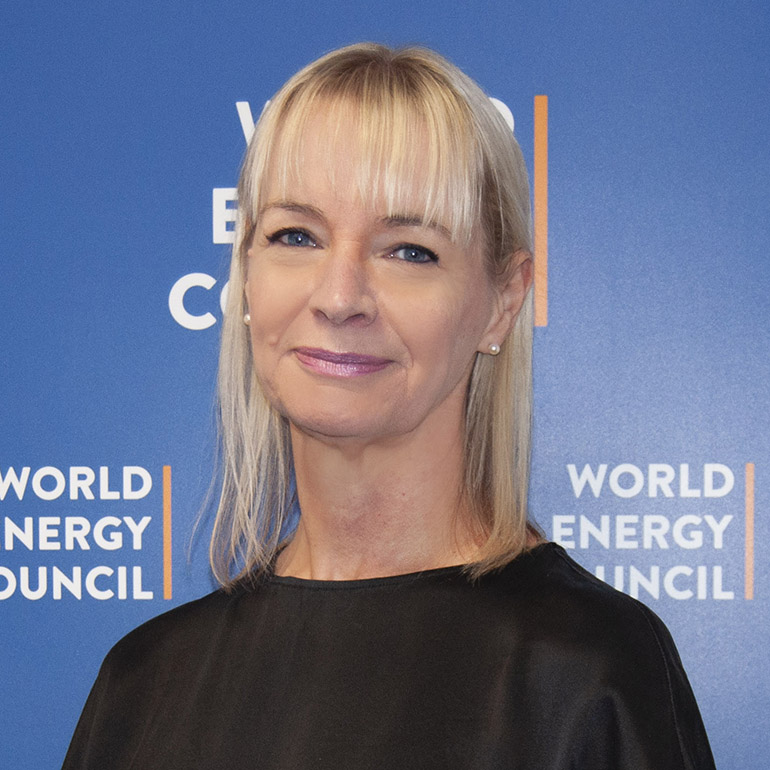
Angela Wilkinson, Secretary General & CEO of the World Energy Council, said: “This latest edition of the World Energy Trilemma Report demonstrates that how we got ‘here’ won’t get us to ‘there’ when it comes to managing orderly, inclusive and just global energy transitions.
“The world’s first consumer-led energy shock, the materiality of the renewable energy revolution and the continued rise in structural inequalities are red flags to business-as-usual. Energy leadership is, can, and will change, adapt, and evolve – and that includes how we track progress.
“We manage what we measure.
“The future of energy is going to be much more demanding, literally!
“As we redesign energy for people and planet, we are transforming the World Energy Trilemma framework and extend the practical use of this performance management and pathfinding tool beyond countries to regions and cities.”
The report delves into region-specific challenges and responses.
Africa grapples with rising demand amid cleaner energy adoption efforts, while Asia balances economic growth with clean energy transitions.
Europe navigates security, affordability, and sustainability, while Latin America and the Caribbean seek socio-politically appropriate paths.
The Middle East and Gulf States are transitioning themselves from oil dominance towards greater renewables developments.
North America findings emphasise the need for infrastructure availability, resilience and clean energy.