


Renewables developer Vattenfall is implementing a company-wide policy for human rights.
Vattenfall chief executive Magnus Hall said: “Respect for human rights is key to operate our business sustainably.”
In addition to Vattenfall’s commitment, the policy is structured around identification of human rights risks and impacts and managing these human rights risks and impacts.
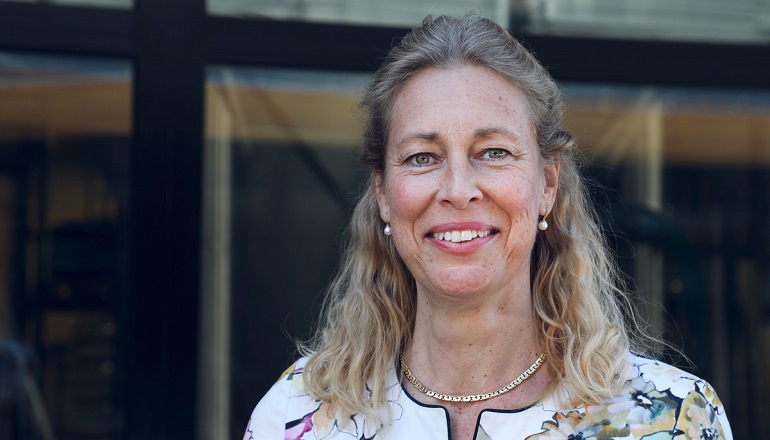
“Taking responsibility for sustainability in our value chain, including social issues like human rights, is fundamental to achieve fossil-free living within one generation,” said sustainability head Annika Ramskold (pictured), adding, “We put requirements on our suppliers to ensure that the products we source are produced in a sustainable manner by companies that act responsibly.
“That means that they respect the human rights of their workers, which benefits us as well, as those workers produce high-quality goods with fewer accidents, interruptions, and more innovation.”
The sections on identifying and managing the human rights risks and impacts describe the most prominent risks and impacts throughout the value chain – upstream in the supply chain, in Vattenfall’s own operations, and downstream in the local communities in which the company operates.
“Our most prominent risks are in the supply chain, particularly in high-risk countries, though there are salient risks in our own operations as well, such as our impacts on local communities and indigenous peoples,” Ramskold added.
To support the policy Vattenfall has published the ‘11 Steps to 2022′ document, an action plan which describes 11 key steps that the organisation needs to take over the coming three years to improve its human rights performance.
It has been anchored throughout the company, within all the business areas, and identifies specific actions.
The action plan draws from the three building blocks of the UN Guiding Principles on Business and Human Rights: Policy and Embedding, Due diligence, and Grievance and Remediation.