


RES has submitted a planning application for a 50MW solar farm in Hertfordshire.
The Beane Solar Farm project is proposed for land west of Cottered village and would contribute to net-zero carbon emission targets while generating enough energy to power 15,000 homes.
Sustainability has been a key consideration at the project, with a predicted biodiversity net gain of 98.40% in habitats units, 189.90% in hedgerow units and 10.19% in watercourse units.
As well as generating renewable energy, the project will deliver a range of biodiversity improvements to enhance the local ecosystem.
The solar farm has been designed to be dual use with agricultural grazing, and the landscape design includes the addition of wildlife corridors, native hedgerows, and wildflower meadows to support local flora and fauna.
Feedback from stakeholders and the local community, along with the results of site surveys and assessments, has helped to shape the final design of the solar farm.
All solar infrastructure has been removed from a section in the southwest and it is now proposed to use this land for the provision of skylark plots.
RES has also moved the solar infrastructure further away from the neighbouring residential properties located to the south, in response to community feedback.
The strong levels of solar irradiation expected on the site would see the project being capable of generating up to 49.9MW of clean, low-cost renewable electricity, enough to power approximately 15,000 homes and offset over 760,000 tonnes of CO2 over its 40-year operational lifetime.
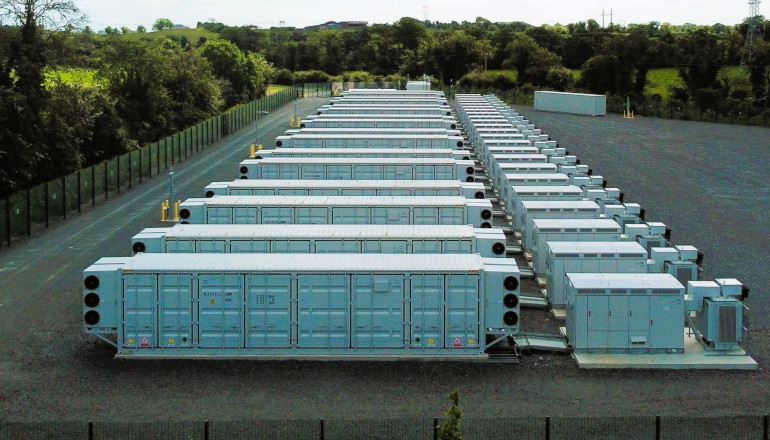
The solar farm would also include energy storage facilities.
Development project manager for RES Jonny Wilks said: “One of the key points raised during local consultation on this project was the need for natural screening and biodiversity.
“We’re pleased to be able to propose a scheme that not only continues to support agricultural use but is expected to deliver significant biodiversity benefit alongside clean, low-cost energy generation.
“We thank those that provided feedback during our pre-application process and hope that the revisions we’ve made since showcasing our preliminary design demonstrate how we’re able to balance energy generation, agriculture and ecology.”