


Global growth in 2022 emissions was not as high as feared, thanks to growth in renewables, according to a report from the International Energy Agency (IEA).
Global energy-related carbon dioxide (CO2) emissions rose by under 1% in 2022, less than initially feared, as the growth of solar, wind, EVs, heat pumps and energy efficiency helped limit the impacts of increased use of coal and oil amid the global energy crisis, the IEA’s latest analysis found.
Global energy-related CO2 emissions grew in 2022 by 0.9%, or 321 million tonnes, reaching a new high of more than 36.8 billion tonnes, according to the Global Energy Transitions Stocktake report.
The rise in emissions was significantly slower than global economic growth of 3.2%, signalling a return to a decade-long trend that was interrupted in 2021 by the rapid and emissions-intensive economic rebound from the Covid crisis.
Extreme weather events, including droughts and heatwaves, as well as an unusually large number of nuclear power plants being offline, contributed to the rise in emissions.
But an additional 550 million tonnes of emissions were avoided by increased deployment of clean energy technologies.
“The impacts of the energy crisis didn’t result in the major increase in global emissions that was initially feared – and this is thanks to the outstanding growth of renewables, EVs, heat pumps and energy efficient technologies.
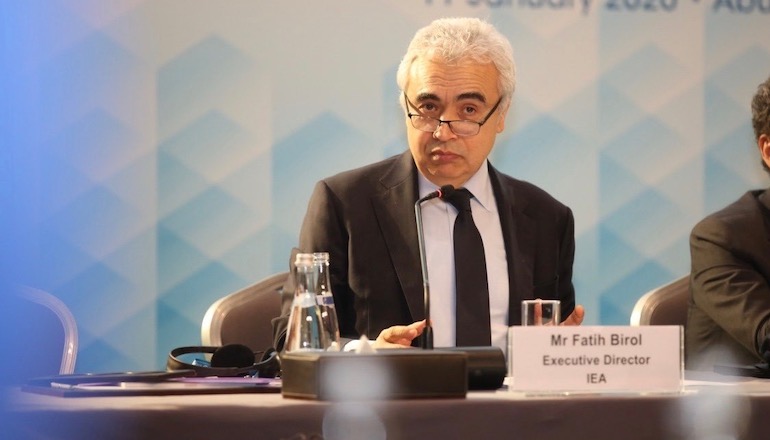
“Without clean energy, the growth in CO2 emissions would have been nearly three times as high,” said IEA Executive Director Fatih Birol.
“However, we still see emissions growing from fossil fuels, hindering efforts to meet the world’s climate targets.
“International and national fossil fuel companies are making record revenues and need to take their share of responsibility, in line with their public pledges to meet climate goals. It’s critical that they review their strategies to make sure they’re aligned with meaningful emissions reductions.”