


Clean energy spending earmarked by governments in response to covid-19 has risen to $710bn, according to latest data from the International Energy Agency (IEA).
Clean energy spending rose by 50% over the past five months to reach the figure, said the IEA, which also pointed out “troubling imbalances” between regions.
The latest update of the IEA’s Sustainable Recovery Tracker found the “unprecedented amount” of enacted spending is more than 40% larger than the global green spending contained in the stimulus packages that governments enacted following the global financial crisis in 2008.
Advanced economies account the bulk of this effort, with over $370bn intended to be spent prior to the end of 2023, a level of short-term government spending that would help keep the door open for the IEA’s global pathway to net zero emissions by 2050.
Across emerging and developing economies, however, the total amount of fiscal resources being dedicated to sustainable recovery measures is one-tenth of the amount in advanced economies, reflecting their very different financial and economic circumstances, the IEA said.
In emerging and developing economies, around $52bn of sustainable recovery spending is planned by the end of 2023, “well short” of what is needed in a pathway towards net zero emissions by 2050.
The gap is unlikely to narrow in the near term, as governments with already limited fiscal means now face the challenge of maintaining food and fuel affordability for their citizens amid the surge in commodity prices following Russia’s invasion of Ukraine.
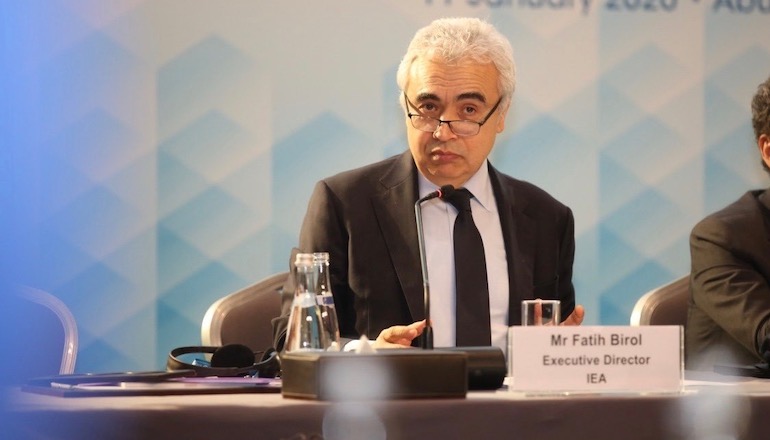
“Countries where clean energy is at the heart of recovery plans are keeping alive the possibility of reaching net zero emissions by 2050, but challenging financial and economic conditions have undermined public resources in much of the rest of the world,” said Fatih Birol, the IEA executive director.
“International cooperation will be essential to change these clean energy investment trends, especially in emerging and developing economies where the need is greatest.”
Even in advanced economies, some of the earmarked funds risk not reaching the market within their envisaged timelines.
Delays in setting up government programmes, ongoing supply chain disruptions, labour shortages and financial uncertainty have “clogged” project pipelines.
“Governments who can remove red tape and quickly set up effective programmes will be the ones to reap the benefits and position themselves in the new global energy economy that is emerging,” said Birol.
The IEA’s tracking shows that emergency affordability support by governments worldwide for households and businesses has reached about $270bn since the start of the winter heating season in the Northern Hemisphere in 2021.
he IEA estimated that government spending that has been earmarked for spending prior to 2023 could support over $1.6tn-worth of sustainable investments by mobilising higher levels of private sector participation.