


France needs to accelerate key parts of its energy transformation to meet its 2050 net zero targets, according to the International Energy Agency (IEA).
The current rate of deployment of low-carbon energy technologies and energy efficiency solutions in France is not fast enough for the government to meet its energy and climate targets, the IEA’s 2021 Energy Policy Review of France concluded.
In particular, the future development of the country’s electricity supply requires a clear policy strategy to be put in place.
“France is approaching a crossroads, as key decisions on its future energy system need to be taken soon to ensure it can reach net zero emissions by 2050.
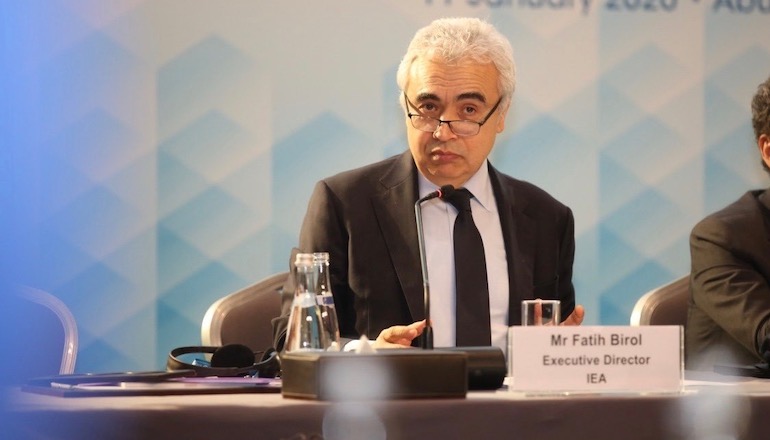
“By investing much more in energy efficiency, renewable energy and nuclear power, France can accelerate progress on its key energy and climate goals,” said Fatih Birol, IEA executive director, who is launching the report in Paris today with Barbara Pompili, France’s Minister for the Ecological Transition.
Half of France’s renewables output still comes from hydropower plants that were built decades ago. The government is seeking to accelerate progress in solar and wind power by streamlining permits, promoting flagship initiatives, and better aligning regional and national ambitions.
“But these promising efforts risk being undermined without more sustained and consistent policies,” said the report.
Pompili said: “The IEA peer review is very precious as it consists of an independent analysis of the strengths and weaknesses of our energy policy, especially in the context of the carbon neutrality by 2050 commitment.
“This review comes in a crucial time frame, in particular to anticipate the French multi-annual Plan review preparation and the energy and climate programming act discussion in 2023.
“The IEA review confirms the orientations France has adopted, based on three pillars: strengthening energy efficiency, developing renewable energies and maintaining a nuclear electricity base.”