


BP is targeting 50GW of net renewable generating capacity by 2030, a 20-fold increase from 2019, as part of a wide-ranging plan to become an integrated energy company.
Within 10 years, the oil and gas producer aims to increase its annual low carbon investment from around $500m now to $5bn annually, building out an integrated portfolio of low carbon technologies, including renewables, bioenergy, and hydrogen and carbon capture and storage.
BP said emissions from its operations will be 30-35% lower by 2030, helping to deliver net zero.
Over the next decade emissions associated with carbon in upstream oil and gas production will reduce by 35-40% while the level of carbon intensity of products BP sells will be more than 15% lower.
Over the same period, BP’s oil and gas production is expected to reduce by at least one million barrels of oil equivalent a day, or 40%, from 2019 levels.
Its remaining hydrocarbon portfolio is expected to be “more cost and carbon resilient”.
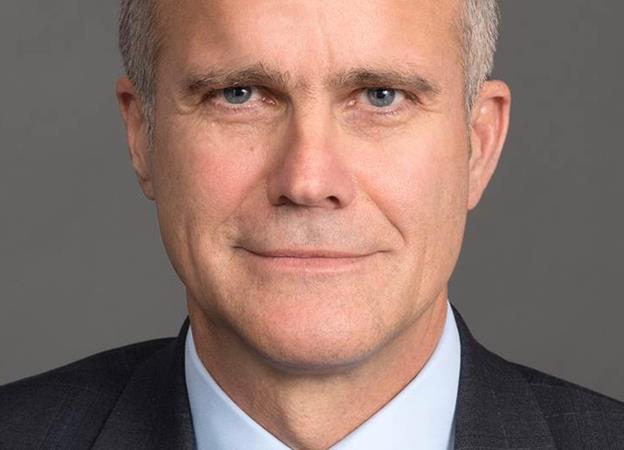
BP chairman Helge Lund (pictured) said: “Energy markets are fundamentally changing, shifting towards low carbon, driven by societal expectations, technology and changes in consumer preferences.
“And in these transforming markets, BP can compete and create value, based on our skills, experience and relationships. We are confident that the decisions we have taken and the strategy we are setting out today are right for BP, for our shareholders, and for wider society.”
The company has also set out a new financial frame to support a “fundamental shift” in how it allocates capital, towards low carbon and other energy transition activities.
“The combination of strategy and financial frame is designed to provide a coherent and compelling investor proposition – introducing a balance between committed distributions, profitable growth and sustainable value – and create long-term value for BP’s stakeholders,” said the company.
BP’s board has introduced a new distribution policy, with two elements.
The first is a reset of the dividend to a “resilient level” of 5.25 cents per share per quarter, intended to remain fixed at this level, subject to the board’s decision each quarter.
It will be supplemented by a commitment to return at least 60% of surplus cash to shareholders through share buybacks, once BP’s balance sheet has been deleveraged and subject to maintaining a strong investment grade credit rating.
The strategy was announced as BP released second quarter 2020 results, which showed the company posted a loss of $16.8bn, compared with a profit of $1.8bn for the same period a year earlier, including a net post-tax charge of $10.9bn for non-operating items.
Underlying replacement cost loss for the quarter was $6.7bn, compared with a profit of $2.8bn for the same period a year earlier.
The result was driven primarily by non-cash upstream exploration write-offs, amounting to $6.5bn, after tax, mainly resulting from a review of BP’s long-term strategic plans and revisions to long-term price assumptions, the impact of lower oil and gas prices, weak refining margins, reduced oil and gas production and lower demand for fuels and lubricants.